

Table of Contents
- What Is Glowing Skin?
- The Science Behind Skin Radiance
- Benefits of Healthy Glowing Skin
- Glowing Skin vs Fair Skin vs Healthy Skin
- Is Glowing Skin Different for Indian Skin?
- How to Build a Routine for Glowing Skin
- Best Ingredients for Glowing Skin
- Expert Insights
- Recommended Products
- Dermatologist Videos
- Frequently Asked Questions
- References
- About the Author
- Disclaimer
Last updated: June 2026
Glowing skin is one of the most searched skincare goals in 2026. But glowing skin does not mean lighter skin, glass skin, or a complicated 10-step routine.
True skin radiance comes from healthy hydration, a strong skin barrier, smooth texture, balanced exfoliation, antioxidant protection, and consistent sun protection.
This guide explains how to get glowing skin naturally using science-backed skincare habits, dermatologist-supported ingredients, and a simple routine designed especially for Indian skin.
💡 Key Takeaway: Glowing skin is not about fairness. It is about skin that looks hydrated, even-toned, smooth, healthy, and naturally luminous.
What Is Glowing Skin?
Glowing skin refers to skin that reflects light evenly because it is hydrated, smooth, and healthy. It usually appears fresh, even-toned, plump, and balanced.
Healthy glowing skin usually has:
- Smooth skin texture
- Good hydration
- Even-looking tone
- Minimal dullness
- Strong skin barrier
- Natural luminosity without makeup
Many people confuse glowing skin with fair skin. That is incorrect. Skin glow is not related to skin colour. Melanin-rich Indian skin can look beautifully radiant when it is protected, hydrated, and cared for consistently.
🌿 GlowBareSkin Insight: Healthy skin glows because it reflects light evenly. Dull skin often reflects light unevenly due to dehydration, dead skin buildup, pigmentation, or barrier damage.
The Science Behind Skin Radiance
Skin radiance is influenced by several biological factors. When these factors are balanced, your skin looks naturally brighter and healthier.
1. Hydration
Well-hydrated skin looks plumper and smoother. Dehydrated skin can appear tired, rough, and dull even if you use expensive skincare products.
2. Skin Barrier Health
The skin barrier protects your skin from water loss, pollution, irritation, and environmental stress. When the barrier is damaged, skin may look dull, sensitive, red, or uneven.
3. Cell Turnover
Your skin naturally sheds dead cells and replaces them with newer cells. When this process slows down, dead skin cells can build up and make the complexion look dull.
4. Collagen Support
Collagen helps skin look firm and smooth. UV exposure, pollution, stress, and aging can reduce collagen quality over time.
5. Oxidative Stress Protection
Pollution and UV rays create free radicals that contribute to pigmentation, dullness, and premature aging. Antioxidants like vitamin C help protect the skin from this oxidative stress.
Research published through the National Center for Biotechnology Information discusses topical vitamin C as an antioxidant with applications in photoaging, pigmentation, and skin protection.
✨ Glow Tip: If your skin looks dull even after using many products, the answer may not be more products. It may be better hydration, barrier repair, and sun protection.
Benefits of Healthy Glowing Skin
1. Skin Looks Fresher and More Awake
Hydrated skin reflects light better, making your face look fresh even without makeup.
2. Skin Texture Appears Smoother
Gentle exfoliation and consistent hydration can improve roughness and uneven texture.
3. Complexion Looks More Even
Daily sunscreen and brightening ingredients can reduce the appearance of dullness, tanning, and uneven tone over time.
4. Skin Barrier Becomes Stronger
A strong barrier helps reduce dryness, sensitivity, and irritation.
5. Makeup Applies Better
When skin is hydrated and smooth, makeup sits better and looks more natural.
Glowing Skin vs Fair Skin vs Healthy Skin
Glowing skin is often wrongly linked with fairness. In reality, glowing skin is about health, not complexion.
| Term | Meaning | Skincare Goal |
|---|---|---|
| Glowing Skin | Hydrated, smooth, radiant-looking skin | Improve luminosity and texture |
| Fair Skin | Skin colour or complexion depth | Not a health goal |
| Healthy Skin | Balanced, protected, resilient skin | Support barrier, hydration, and protection |
⭐ Expert Note: The goal of skincare should not be to change your skin colour. The goal is to improve skin health, clarity, hydration, texture, and resilience.
Is Glowing Skin Different for Indian Skin?
Yes. Indian skin often has unique concerns because of higher melanin levels, stronger sun exposure, pollution, humidity, and a higher tendency toward tanning and post-inflammatory pigmentation.
Common Indian skin concerns include:
- Hyperpigmentation
- Post-acne marks
- Tanning
- Uneven tone
- Dullness caused by pollution
- Humidity-related oiliness
- Barrier damage from over-exfoliation
For Indian skin, glowing skin routines should focus on four priorities:
- Daily sunscreen
- Antioxidant protection
- Gentle exfoliation
- Barrier-supporting hydration
🖤 Skinimalist Reminder: Indian skin usually does not need harsh brightening routines. It needs consistent sun protection, antioxidant support, and a calm skin barrier.
How to Build a Routine for Glowing Skin
Morning Routine for Glowing Skin
- Cleanse gently: Use a mild cleanser that does not strip your skin.
- Apply antioxidant serum: Use vitamin C, Kakadu Plum, or niacinamide for brightness and protection.
- Moisturize: Choose a lightweight moisturizer to support hydration.
- Apply sunscreen: Use broad-spectrum SPF 30 or higher every morning.
Night Routine for Glowing Skin
- Cleanse thoroughly: Remove sunscreen, makeup, oil, and pollution.
- Use a repair serum: Choose bakuchiol, niacinamide, or hydrating actives.
- Moisturize: Lock in hydration and support overnight barrier repair.
🌙 Night Routine: Nighttime skincare should focus on repair, hydration, and renewal. You do not need too many actives at once.
Best Ingredients for Glowing Skin
1. Vitamin C
Vitamin C is a well-known antioxidant that helps support brighter-looking skin, collagen synthesis, and protection from oxidative stress.
2. Kakadu Plum
Kakadu Plum is a natural vitamin C-rich botanical ingredient. It is useful in glow-focused skincare because it supports antioxidant care and radiance.
3. Niacinamide
Niacinamide supports the skin barrier, helps improve uneven tone, and works well for Indian skin concerns like dullness and post-acne marks.
4. Hyaluronic Acid
Hyaluronic acid helps skin retain water, making it look plumper, smoother, and more hydrated.
5. Bakuchiol
Bakuchiol supports smoother-looking skin, visible skin renewal, and early signs of aging. It is often preferred by people who want a gentler routine.
6. Ceramides
Ceramides help strengthen the skin barrier and reduce dryness.
| Ingredient | Main Benefit | Best For |
|---|---|---|
| Vitamin C | Brightness and antioxidant support | Dull skin |
| Kakadu Plum | Natural antioxidant care | Glow and environmental stress |
| Niacinamide | Barrier support and uneven tone care | Indian skin, dullness, post-acne marks |
| Hyaluronic Acid | Hydration and plumpness | Dehydrated skin |
| Bakuchiol | Skin renewal and smoothness | Night repair and early aging |
| Ceramides | Barrier repair | Dry or sensitive skin |
Expert Insights: What Really Works for Glowing Skin?
1. Sunscreen Is Non-Negotiable
The American Academy of Dermatology recommends broad-spectrum sunscreen to help protect skin from UV damage. For glowing skin, sunscreen matters because UV exposure can trigger pigmentation, tanning, collagen breakdown, and uneven skin tone.
2. Exfoliation Should Be Gentle
The American Academy of Dermatology advises choosing exfoliation based on your skin type and avoiding over-exfoliation, which can cause redness and irritation.
3. Hydration Improves the Look of Skin Texture
The Cleveland Clinic explains that hyaluronic acid helps skin stretch and flex and supports smoother-looking skin.
4. Vitamin C Supports Brighter-Looking Skin
Research available through NCBI explains that vitamin C plays important roles in skin health, including collagen support and antioxidant protection.
✨ GlowBareSkin Philosophy: The future of skincare is not more products. It is fewer products, stronger science, and better consistency.
Recommended Products for Glowing Skin
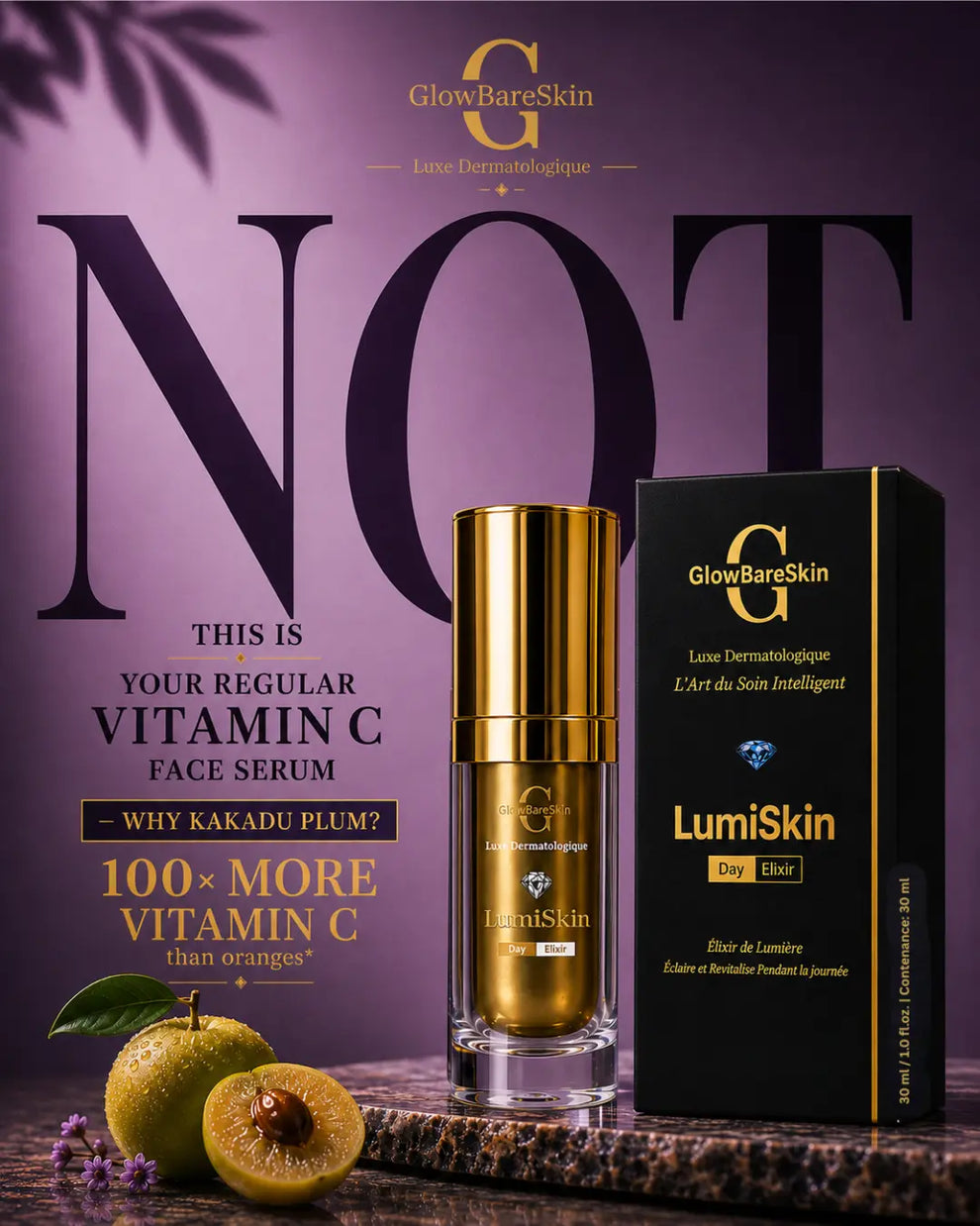
GlowBareSkin LumiSkin Day Elixir
A lightweight day serum with Kakadu Plum and Niacinamide for brighter, hydrated, healthier-looking skin.
- Supports natural radiance
- Helps improve uneven-looking tone
- Lightweight and skinimalist
- Designed for Indian skin

GlowBareSkin LumiSkin Night Elixir
A bakuchiol-powered night serum for smoother-looking texture, overnight renewal, and radiant skin.
- Supports overnight skin renewal
- Helps improve skin texture
- Gentle alternative to harsh actives
- Perfect for minimalist night routines
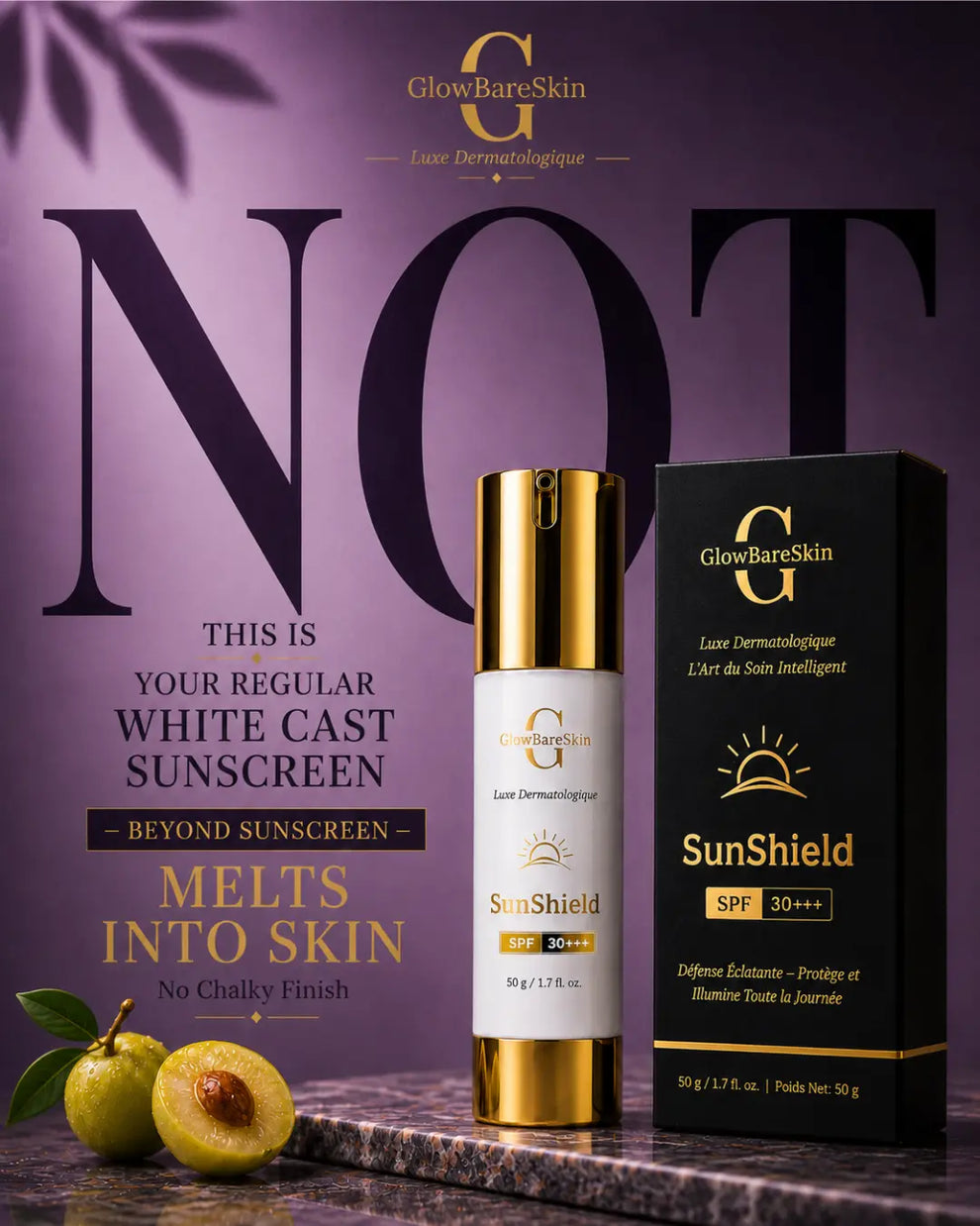
GlowBareSkin SunShield SPF 30+++
A lightweight daily sunscreen with Kakadu Plum, comfortable wear, and no white cast.
- Broad daily sun protection
- Helps prevent tanning and dullness
- Lightweight, non-greasy feel
- No white cast
Watch: Dermatologist Videos on Glowing Skin, Vitamin C and Simple Skincare
Video 1: Dermatologist Explains Vitamin C Serum
This dermatologist-led video explains vitamin C serums, how they work, and why they are commonly used for brighter-looking skin and hyperpigmentation support.
Video 2: Is Vitamin C Worth the Hype?
This Doctorly video explains vitamin C as an antioxidant and discusses its role in skincare, photoaging, and brightening routines.
Video 3: Morning Skincare Routine Using Only 3 Products
This dermatologist-led video by Dr. Shereene Idriss explains a simple morning skincare routine, which aligns well with a skinimalist approach to glowing skin.
Frequently Asked Questions About Glowing Skin
How can I get glowing skin naturally?
You can improve natural skin glow by following a consistent routine with gentle cleansing, antioxidant serum, moisturizer, daily sunscreen, hydration, sleep, and gentle exfoliation.
What is the best ingredient for glowing skin?
Vitamin C, niacinamide, hyaluronic acid, Kakadu Plum, and bakuchiol are some of the best ingredients for glowing skin.
Does glowing skin mean fair skin?
No. Glowing skin does not mean fair skin. It means healthy, hydrated, smooth, and radiant-looking skin.
Why does my skin look dull even after skincare?
Your skin may look dull because of dehydration, dead skin buildup, sun exposure, pollution, poor sleep, over-exfoliation, or a damaged skin barrier.
How long does it take to get glowing skin?
Some hydration benefits may appear quickly, but visible improvement in texture, dullness, and uneven tone usually takes 4 to 12 weeks of consistent skincare.
Can sunscreen improve skin glow?
Yes. Sunscreen helps prevent UV-induced tanning, pigmentation, collagen breakdown, and dullness. It is one of the most important steps for long-term glow.
Is vitamin C good for Indian skin?
Yes. Vitamin C can be useful for Indian skin because it supports antioxidant protection, brightness, and uneven tone care.
How often should I exfoliate for glowing skin?
Most people can exfoliate 1 to 2 times per week. Sensitive skin may need less frequent exfoliation. Avoid harsh scrubs and over-exfoliation.
Can I get glowing skin without makeup?
Yes. Healthy glow comes from hydration, smooth texture, barrier health, and sun protection. Makeup can enhance glow, but it cannot replace skin health.
Does skinimalism help with glowing skin?
Yes. Skinimalism can help because it focuses on fewer but effective products, reducing the risk of irritation and barrier damage caused by overly complicated routines.
What foods help support glowing skin?
Antioxidant-rich fruits, leafy greens, nuts, seeds, adequate protein, and enough water can support overall skin health.
Can glowing skin happen overnight?
You may notice temporary improvement from hydration and sleep, but long-term glow requires consistent skincare and sun protection.
References
- NCBI / PMC – Topical Vitamin C and the Skin: https://pmc.ncbi.nlm.nih.gov/articles/PMC5605218/
- NCBI / PMC – The Roles of Vitamin C in Skin Health: https://pmc.ncbi.nlm.nih.gov/articles/PMC5579659/
- American Academy of Dermatology – How to Safely Exfoliate at Home: https://www.aad.org/skin-care-secrets/safely-exfoliate-at-home
- American Academy of Dermatology – Sunscreen FAQs: https://www.aad.org/public/everyday-care/sun-protection/sunscreen-patients/sunscreen-faqs
- Cleveland Clinic – Hyaluronic Acid Benefits: https://my.clevelandclinic.org/health/articles/22915-hyaluronic-acid
Written By

Bathula Meghana
Founder, GlowBareSkin
Bathula Meghana is the Founder of GlowBareSkin, a premium science-backed skincare brand focused on simplifying skincare through effective formulations designed for Indian skin. She regularly writes about skincare ingredients, skinimalism, anti-aging, skin barrier health, sun protection, and evidence-based skincare practices.


Reviewed By

GlowBareSkin Team
Scientific Content Review
This article has been reviewed for ingredient accuracy, scientific references, skincare best practices, and factual consistency before publication. The review process includes verification of dermatology research, ingredient safety information, and evidence-based skincare recommendations.
Disclaimer
The information provided in this article is intended for educational and informational purposes only and should not be considered medical advice, diagnosis, or treatment.
Individual skin types and skincare needs vary. Always perform a patch test before introducing new skincare products. Consult a qualified dermatologist or healthcare professional regarding specific skin concerns, allergies, pregnancy-related skincare questions, or medical skin conditions.


