


Table of Contents
- What Is Radiant Skin?
- Why Radiant Skin Matters
- The Science Behind Radiant Skin
- What Causes Dull Skin?
- Radiant Skin vs Glowing Skin
- Radiant Skin for Indian Skin
- Daily Routine for Radiant Skin
- Ingredients That Support Radiance
- Exfoliation for Radiance
- Recommended Product Routine
- Dermatologist Videos
- Frequently Asked Questions
- Related Articles
- References
- About the Author
- Disclaimer
Radiant skin is not about filters, shine, or a complicated 10-step routine. It is about healthy-looking skin that appears hydrated, smooth, even-toned, and naturally fresh.
What Is Radiant Skin?
Radiant skin refers to skin that looks healthy, hydrated, smooth, and even-toned. It reflects light more evenly because the skin surface is well moisturized, calm, and not overly rough or irritated.
Radiance is not the same as oily shine. It does not mean your skin has to look glossy, glass-like, or perfectly poreless. Real radiant skin looks fresh, comfortable, balanced, and healthy.
When the skin barrier is strong, hydration levels are balanced, and the surface texture is smooth, the skin naturally appears brighter and more luminous. That is why radiant skin is usually the result of consistent basics rather than frequent product changes.
💡 Key Takeaway: Radiant skin means healthy-looking skin that appears hydrated, smooth, calm, and even-toned. It is not about using more products. It is about using the right products consistently.
Why Radiant Skin Matters
Radiant skin is often seen as a sign of good skin health because it reflects multiple factors working together — hydration, barrier strength, even tone, smooth texture, and low irritation.
When your skin looks dull, it may not always mean you need a stronger serum or a new treatment. Sometimes, dullness is a sign that your skin barrier is stressed, your skin is dehydrated, your sunscreen routine is inconsistent, or your routine has too many harsh steps.
For many people, the journey to radiant skin begins by simplifying the routine and focusing on the basics: gentle cleansing, moisturization, sun protection, and targeted night repair.
🌿 GlowBareSkin Insight: Radiant skin is not created by doing more. It is created by doing the essentials well — every day..
The Science Behind Radiant Skin
Radiant skin is closely connected to the outermost layer of the skin, called the stratum corneum. This layer helps protect the skin, reduce water loss, and maintain a smooth surface.
When this layer is healthy and hydrated, the skin surface looks smoother and reflects light more evenly. When it is dry, rough, irritated, or damaged, the skin can look dull, tired, flaky, or uneven.
Several skin factors influence radiance:
- Hydration: Hydrated skin looks plumper, smoother, and fresher.
- Barrier function: A healthy barrier reduces dryness, tightness, and irritation.
- Cell turnover: Balanced skin renewal helps reduce surface buildup.
- Even tone: Less visible pigmentation and tanning makes skin look brighter.
- Low inflammation: Calm skin reflects light better than irritated skin.
✨ Glow Tip: If your skin looks dull even after using many products, your skin may not need more actives. It may need hydration, barrier support, and sunscreen consistency.
What Causes Dull Skin?

Dull skin can happen for many reasons. The most common causes include dehydration, dead skin buildup, sun exposure, irritation, pollution, lack of sleep, and overuse of harsh skincare products.
1. Dehydration
Dehydrated skin often looks flat, tired, and less bouncy. Even oily skin can be dehydrated. This is why hydration and moisturizer are important for almost every skin type.
2. Weak Skin Barrier
Over-cleansing, harsh scrubs, strong exfoliants, and using too many actives can weaken the skin barrier. When the barrier is stressed, skin may look dull, rough, red, flaky, or irritated.
3. Dead Skin Buildup
Dead skin cells naturally shed, but when buildup increases, the surface can look rough and uneven. Gentle exfoliation can help, but over-exfoliation can make dullness worse.
4. Sun Exposure
UV exposure can contribute to tanning, dark spots, uneven tone, and visible photoaging. Without daily sunscreen, radiance becomes difficult to maintain.
5. Too Many Products
Layering multiple serums, acids, scrubs, and active treatments may irritate the skin. Irritated skin rarely looks radiant.
⭐ Expert Note: Dull skin is not always a sign that your skincare is too weak. Sometimes, it is a sign that your routine is too aggressive.
Radiant Skin vs Glowing Skin
Radiant skin and glowing skin are often used together, but they are not exactly the same.
| Term | What It Means | Healthy Skin Indicator? |
|---|---|---|
| Radiant skin | Hydrated, smooth, even-toned, calm skin | Yes, usually |
| Glowing skin | Bright, fresh, luminous-looking skin | Yes, when not caused by excess oil or irritation |
| Shiny skin | Excess oil, sweat, or heavy product residue | Not always |
| Glass skin | Very glossy, smooth, reflective skin appearance | Can be cosmetic, not always realistic |
The goal should not be to force your skin to look shiny. The goal should be to make your skin look healthy, comfortable, and naturally luminous.
Radiant Skin for Indian Skin
Indian skin often needs a slightly different approach to radiance because it can be more prone to tanning, uneven tone, post-acne marks, pigmentation, and dullness triggered by irritation.
This is why harsh brightening routines, aggressive exfoliation, and frequent active layering can backfire. For Indian skin, visible radiance often improves when the routine focuses on barrier safety, sunscreen, hydration, and gradual active use.
A skinimalist routine is especially helpful because it reduces unnecessary irritation while still supporting the main causes of dullness.
🖤 Skinimalist Reminder: For Indian skin, the goal is not aggressive brightening. The goal is calm, protected, even-looking skin that becomes radiant with consistency.
Daily Routine for Radiant Skin

A consistent morning and night routine helps support hydration, barrier health, smoother texture, and visible skin radiance
A practical radiant skin routine does not need ten steps. It should include four core actions: cleanse gently, hydrate, protect during the day, and repair at night.
Morning Routine
- Cleanse or rinse: Use a gentle cleanser. If your skin is dry or sensitive, a water rinse may be enough in the morning.
- Apply a daytime serum: Choose hydration and antioxidant support for a fresher appearance.
- Moisturize: Use a moisturizer to support the skin barrier and reduce water loss.
- Apply sunscreen: Use broad-spectrum sunscreen every morning. Reapply when outdoors, sweating, or exposed to strong sunlight.
Night Routine
- Cleanse thoroughly: Remove sunscreen, sweat, pollution, and makeup without scrubbing.
- Use one targeted active: Choose a night serum based on your skin concern, such as bakuchiol for smoother-looking texture and early signs of aging.
- Moisturize: Seal hydration and support overnight barrier recovery.
- Keep it simple: Avoid combining multiple strong actives every night.
🌙 Night Routine: Your skin does a lot of repair work while you rest. A simple night routine with gentle cleansing, targeted treatment, and moisturizer can support smoother, fresher-looking skin by morning.
Ingredients That Support Radiance

The best ingredients for radiant skin are not always the strongest ingredients. They are the ones your skin can tolerate consistently.
| Ingredient Type | How It Supports Radiance | Best Use |
|---|---|---|
| Hyaluronic Acid and Glycerin | Help improve hydration and smoother-looking skin | Morning and night |
| Niacinamide | Supports barrier health, uneven tone, and visible dullness | Morning or night |
| Kakadu Plum and Antioxidants | Support brighter-looking skin and environmental stress defense | Morning routine |
| Bakuchiol | Supports smoother texture, firmness, and a more even appearance | Night routine |
| Ceramides and Emollients | Help strengthen the skin barrier and reduce dryness | Moisturizer step |
| Broad-Spectrum Sunscreen | Helps prevent new uneven tone, tanning, and photoaging | Every morning |
Exfoliation for Radiance
Exfoliation can help radiant skin by reducing surface buildup and smoothing rough texture. But exfoliation should be done carefully, especially for Indian skin that may be prone to pigmentation after irritation.
Too much exfoliation can damage the barrier, causing redness, burning, peeling, dryness, acne flare-ups, and more dullness.
How to Exfoliate Safely
- Start with once a week.
- Do not use multiple exfoliants in the same routine.
- Avoid harsh scrubs if your skin is sensitive or acne-prone.
- Do not combine strong exfoliation with retinoids on the same night unless your skin is already tolerant.
- Moisturize after exfoliating.
- Use sunscreen daily, especially when using exfoliants.
✨ Glow Tip: If your skin burns, stings, flakes, or feels tight after exfoliation, reduce frequency. Radiant skin needs a healthy barrier first.
Recommended Product Routine for Radiant Skin

GlowBareSkin Éclat Full Set is designed as a complete skinimalist routine for healthy-looking radiant skin.
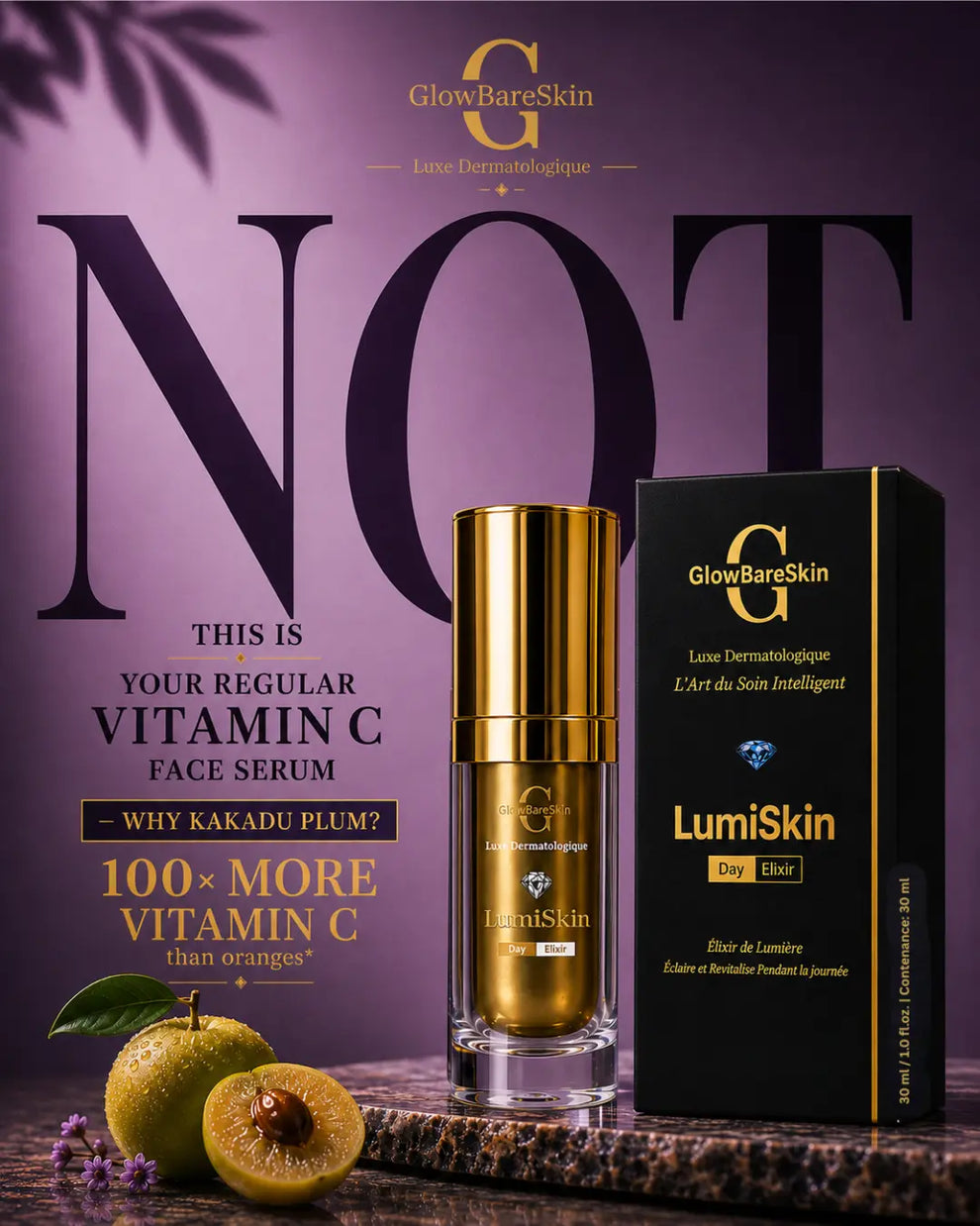
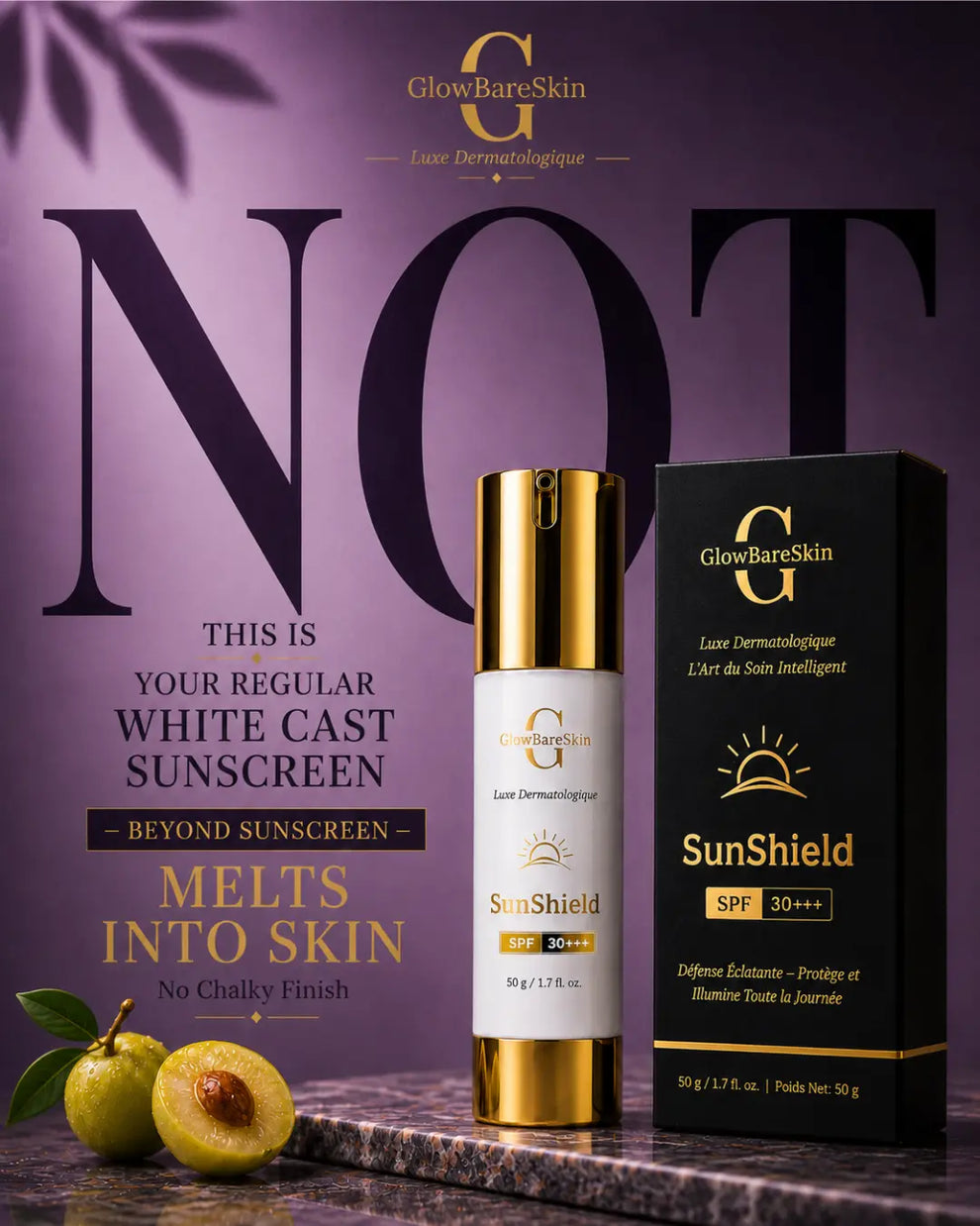
If you want radiant skin without building a confusing 10-step routine, try the GlowBareSkin Éclat Full Set. It includes cleanser, day elixir, night elixir, moisturizer, and sunscreen — the key steps needed to support hydration, barrier health, radiance, and sun protection.
- Gentle cleansing for daily freshness
- Daytime antioxidant and hydration support
- Bakuchiol-powered night renewal
- Moisturizer for barrier support
- SPF protection for daily radiance maintenance
- Designed for Indian skin and skinimalist routines
🖤 GlowBareSkin Philosophy: The future of skincare is not more products. It is fewer products, stronger science, and better consistency.
Watch: Dermatologist Videos on Radiant Skin, Sunscreen and Skin Barrier
Video 1: How to Build a Simple Skincare Routine
A radiant skin routine works best when the basics are consistent. This dermatologist-led video explains how to build a simple skincare routine without overwhelming your skin.
Video 2: Sunscreen Basics for Healthy-Looking Skin
Sunscreen is one of the most important steps for maintaining even tone and preventing visible photoaging. This video explains how sunscreen works and why daily use matters.
Video 3: Skin Barrier and Dry Skin Care
Radiance starts with a healthy skin barrier. This video explains common dry skin mistakes and how barrier-friendly skincare can support smoother, healthier-looking skin.
Frequently Asked Questions About Radiant Skin
What does radiant skin mean?
Radiant skin means skin that looks hydrated, smooth, calm, even-toned, and healthy. It reflects light evenly without looking greasy.
How can I get radiant skin naturally?
Focus on gentle cleansing, consistent moisturization, daily sunscreen, adequate sleep, and a simple routine that does not irritate your skin.
Is radiant skin the same as glowing skin?
Radiant skin and glowing skin are similar, but radiant skin usually refers to healthy-looking skin with hydration, smoothness, and even tone. Glowing skin often refers to a brighter, more luminous appearance.
Can oily skin look dull?
Yes. Oily skin can still look dull because of dehydration, surface buildup, irritation, or uneven tone. Oiliness and radiance are not the same.
Does sunscreen help with radiant skin?
Yes. Daily sunscreen helps prevent new tanning, dark spots, uneven tone, and visible photoaging, which supports long-term radiance.
How long does it take to get radiant skin?
Hydration-related improvements may appear within a few days. Texture, uneven tone, and dullness usually take several weeks of consistent skincare.
What is the biggest mistake when trying to get glowing skin?
The biggest mistake is doing too much — over-exfoliating, using too many actives, harsh cleansing, and skipping moisturizer or sunscreen.
Can I get radiant skin with a simple routine?
Yes. A simple routine can be very effective when it includes cleanser, moisturizer, sunscreen, and one or two targeted treatments based on your skin needs.
Which ingredients are best for radiant skin?
Hydrating ingredients like hyaluronic acid and glycerin, barrier-supporting moisturizers, niacinamide, antioxidants, bakuchiol, gentle exfoliants, and sunscreen can all support radiant-looking skin.
Is radiant skin possible for Indian skin?
Yes. Indian skin can look radiant with a routine focused on hydration, barrier health, sunscreen, gentle actives, and avoiding irritation that may trigger pigmentation.
Related Articles
- What Is Skinimalism? A Simpler Approach to Skincare
- Bakuchiol Face Serum: The Gentle Retinol Alternative for Glowing, Youthful Skin
- Which SPF Sunscreen Is Best for Indian Skin?
- Kakadu Plum Benefits for Skin
- How to Hydrate Your Skin for a Healthy Glow
References
- American Academy of Dermatology – Sunscreen FAQs: https://www.aad.org/media/stats-sunscreen
- American Academy of Dermatology – Dermatologists’ Tips to Relieve Dry Skin: https://www.aad.org/public/everyday-care/skin-care-basics/dry/dermatologists-tips-relieve-dry-skin
- U.S. FDA – Sunscreen: How to Help Protect Your Skin from the Sun: https://www.fda.gov/drugs/understanding-over-counter-medicines/sunscreen-how-help-protect-your-skin-sun
- NCBI Bookshelf – Histology, Stratum Corneum: https://www.ncbi.nlm.nih.gov/books/NBK513299/
- PMC – Understanding the Epidermal Barrier in Healthy and Compromised Skin: https://pmc.ncbi.nlm.nih.gov/articles/PMC5608132/

GlowBareSkin Team
Scientific Content Review
This article has been reviewed for ingredient accuracy, scientific references, skincare best practices, and factual consistency before publication. The review process includes verification of dermatology research, ingredient safety information, and evidence-based skincare recommendations.
Disclaimer
The information provided in this article is intended for educational and informational purposes only and should not be considered medical advice, diagnosis, or treatment.
Individual skin types and skincare needs vary. Always perform a patch test before introducing new skincare products. Consult a qualified dermatologist or healthcare professional regarding specific skin concerns, allergies, pregnancy-related skincare questions, or medical skin conditions.
Browse Related Products

← Swipe to explore more products →


