 India
India
Clean Beauty Skincare | Non-Toxic, Effective Formulations
Clean Beauty Skincare Brand: Separating Real Practices From Marketing Buzzwords
The term clean beauty gets used so often that it's started to lose meaning. Every brand claims to be clean, natural, or non-toxic, yet there's no single regulated definition behind these words. This article breaks down what a clean beauty skincare brand should actually mean in practice, and how to evaluate one beyond the marketing language on the label.
What Clean Beauty Actually Refers To
Clean beauty generally refers to formulations that avoid certain ingredients considered unnecessary or potentially irritating, while prioritizing transparency about what's actually included. It does not mean chemical-free, since all skincare products, including water, are made of chemicals in the scientific sense of the word.
Ingredients Often Avoided in Clean Formulations
-
Harsh sulfates that can strip the skin barrier
-
Synthetic fragrance in high, unnecessary concentrations
-
Certain preservatives linked to sensitivity in some users
What Clean Beauty Does Not Guarantee
Clean labeling doesn't automatically mean a product is more effective, more natural, or safer for every skin type. Some natural ingredients can be more irritating than synthetic alternatives, which is why ingredient function matters more than the clean label itself.
How to Evaluate a Clean Beauty Skincare Brand
-
Check whether ingredient lists are detailed and specific, not vague
-
Look for transparency about sourcing, particularly for key active ingredients
-
Confirm that clean formulation doesn't come at the cost of actual efficacy
-
Avoid brands that rely on fear-based marketing around "toxic" ingredients without evidence
Where GlowBareSkin Fits Into This Conversation
GlowBareSkin builds its formulas around thoughtfully selected botanical ingredients, including Kakadu Plum, without positioning itself as free of all chemicals, since that claim isn't scientifically accurate for any skincare product. The focus instead is on formulating with purpose, choosing ingredients based on function rather than trend.
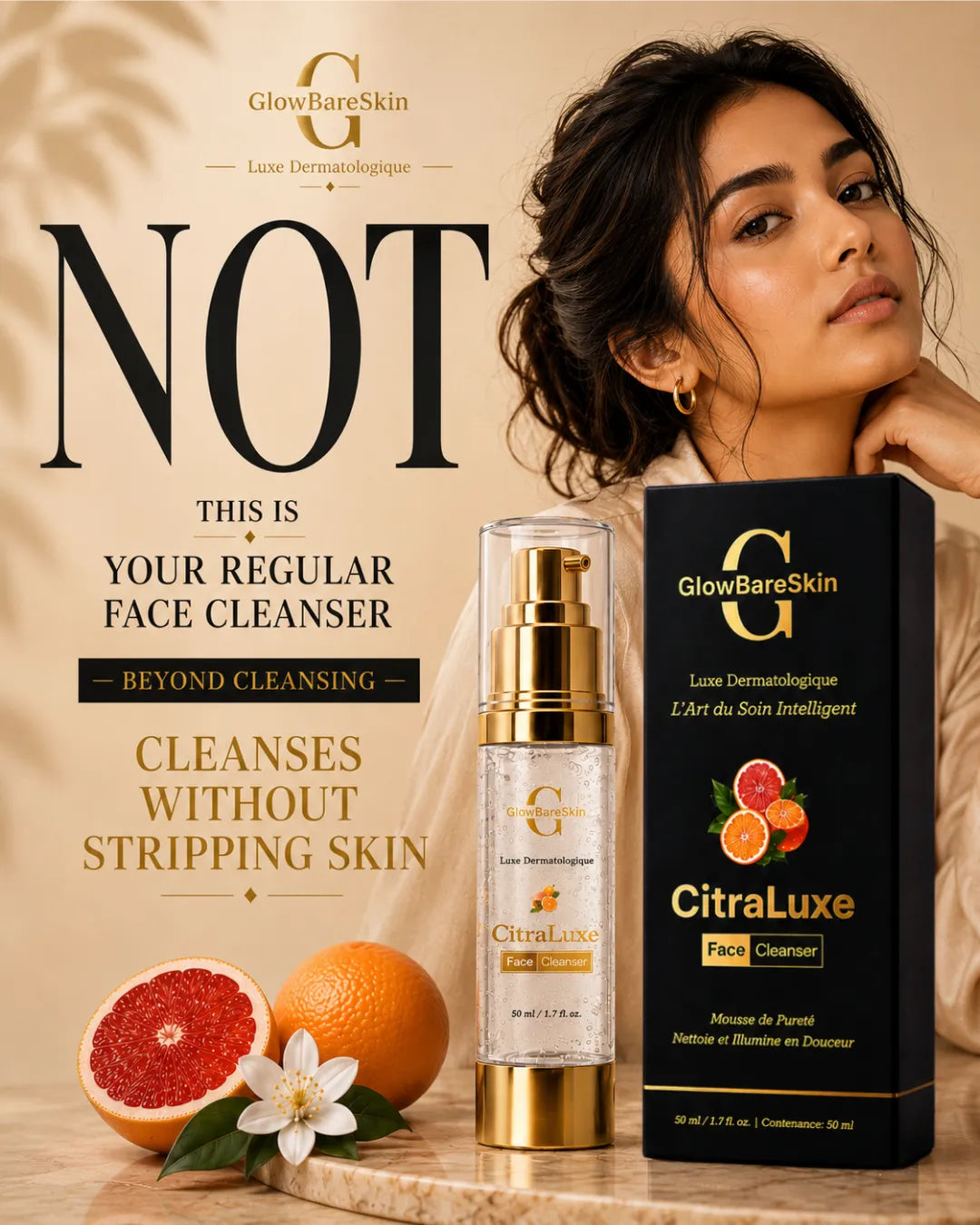
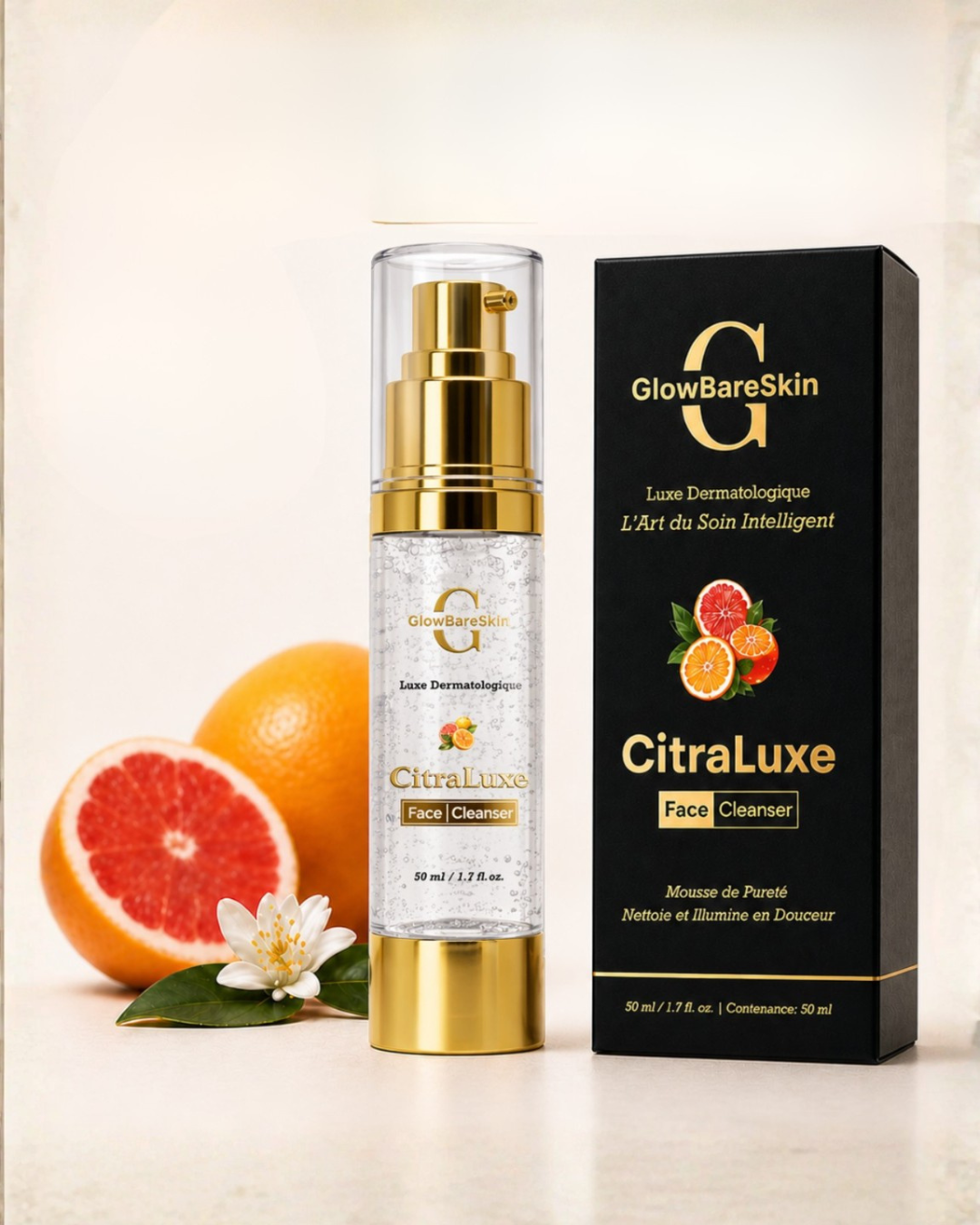
The Kakadu Plum Face Cleanser reflects this approach, built around a purifying botanical rather than harsh, stripping surfactants.
Common Clean Beauty Myths Worth Knowing
Myth: Natural always means safer.
Some natural ingredients carry a higher risk of irritation or allergic reaction than certain synthetic alternatives.
Myth: Clean beauty products can't contain any preservatives.
Preservatives are necessary to prevent bacterial growth in most water-based formulas, and their absence can actually make a product less safe.
Myth: A product labelled clean is automatically non-comedogenic.
Clean labelling and comedogenic rating are separate concerns, and one doesn't guarantee the other.
Why This Distinction Matters for Consumers
Shoppers increasingly research ingredients before purchasing, and marketing terms alone are no longer enough to build trust. A brand that explains why each ingredient is included, rather than simply labelling itself clean, generally earns more informed customer confidence over time.
Closing Thoughts
A genuine clean beauty skincare brand earns that description through ingredient transparency and thoughtful formulation, not through marketing language alone. Look past the buzzword and evaluate what's actually in the bottle before deciding what clean means for your own skin.
Frequently Asked Questions
1. Does clean beauty mean chemical-free?
No. All skincare products are made of chemicals in the scientific sense, clean beauty typically refers to avoiding certain ingredients rather than being chemical-free.
2. Are natural ingredients always better for sensitive skin?
Not necessarily. Some natural ingredients can be more irritating than certain synthetic alternatives, depending on individual skin sensitivity.
3. Can a clean beauty product still be non-comedogenic?
Yes, but the two labels are separate. A clean label doesn't automatically guarantee a non-comedogenic formulation.
4. Why do preservatives matter in clean beauty formulas?
Preservatives help prevent bacterial growth, particularly in water-based products, making them an important safety component rather than something to avoid entirely.
5. How can I verify a brand's clean beauty claims?
Look for specific, detailed ingredient lists and clear explanations of sourcing, rather than relying on the word clean alone.
6. Is clean beauty more expensive than regular skincare?
Not always. Pricing depends more on ingredient sourcing and formulation complexity than on clean labeling specifically.
Featured by India's Leading Publications


