
 India
India
Face Moisturizers Formulated for Indian Skin & Climate
Face Moisturizer for Indian Skin: What Actually Works in Our Climate
Most skincare advice you read online comes from brands built for cooler, drier climates. That advice rarely accounts for what Indian skin actually deals with every day: high humidity in coastal cities, dry heat in the north, pollution in metros, and sun exposure that ranks among the highest in the world. A moisturizer that works beautifully in London or New York can feel heavy, greasy, or completely wrong here. This guide breaks down what Indian skin genuinely needs from a daily moisturizer, region by region, and how to choose one that supports your skin instead of fighting your climate.
How Climate Zones Across India Change Your Skin's Needs
Humid and Coastal Regions (Mumbai, Chennai, Kolkata)
Skin in these cities tends to produce more oil due to constant humidity. A heavy, cream-based moisturizer often feels suffocating here and can lead to clogged pores. Lightweight, gel-based, or water-based formulas work better because they hydrate without adding extra weight.
Dry and Arid Regions (Delhi NCR in winter, Rajasthan, parts of Punjab)
Low humidity strips moisture from the skin barrier faster, especially between October and February. Richer, cream-based moisturizers with barrier-supportive ingredients become necessary during these months, even for people who normally have oily skin.
Metro and Pollution-Heavy Cities
Constant exposure to dust, vehicle emissions, and indoor air conditioning dehydrates skin from both outside and inside. A moisturizer with antioxidant support, along with consistent SPF, becomes important regardless of skin type.
Takeaway: Your moisturizer should change with your city and season, not stay the same all year.
What Ingredients Should You Look for in an Indian Skincare Routine?
-
Hyaluronic acid for lightweight hydration that doesn't clog pores
-
Niacinamide to help support oil balance in humid weather
-
Ceramides to reinforce the skin barrier during dry winter months
-
Antioxidant-rich botanicals, such as Kakadu Plum, known for one of the highest natural vitamin C concentrations of any fruit
-
Non-comedogenic bases that won't trap sweat and sebum in humid conditions
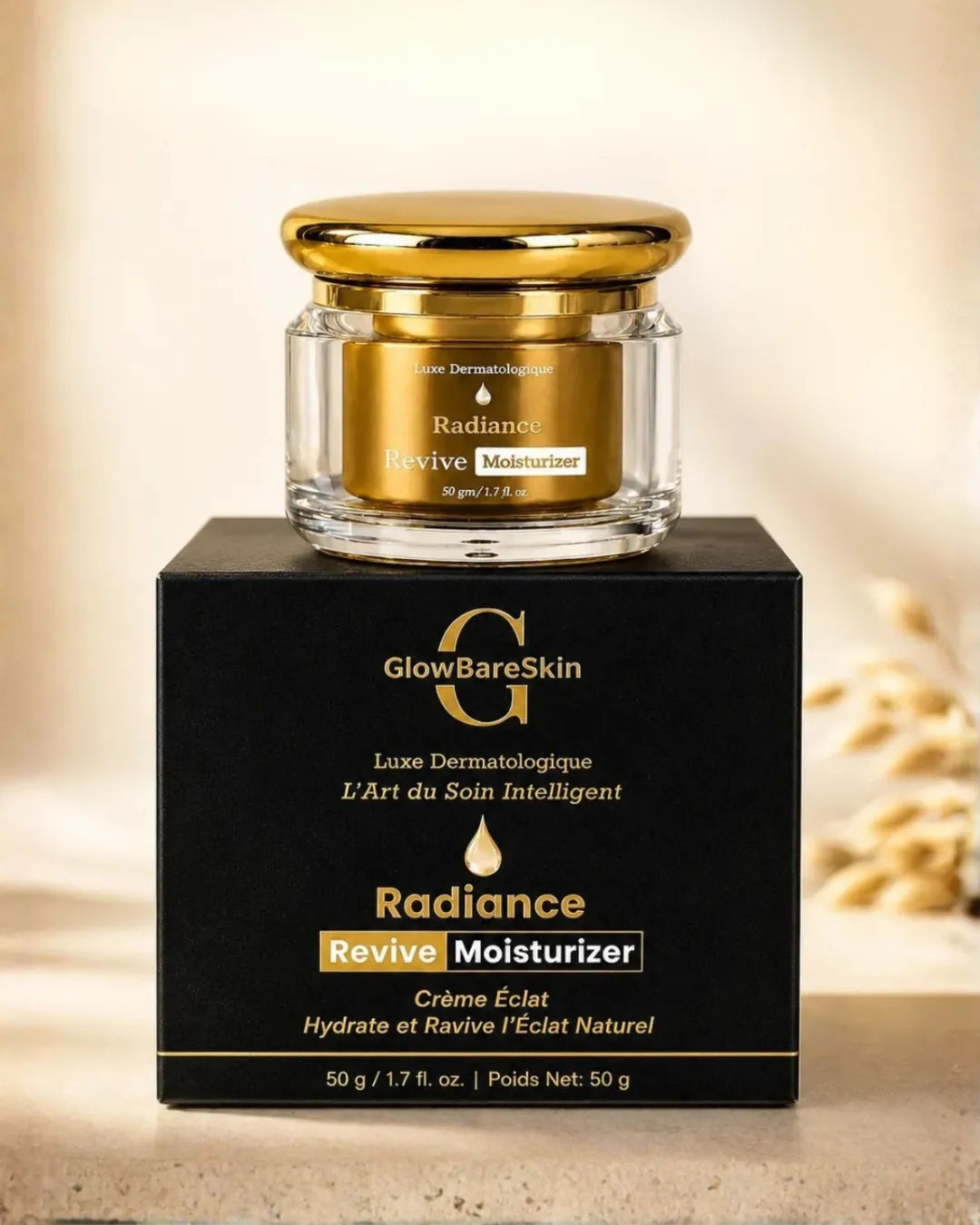
Formulas built around ingredients like these are part of why the GlowBareSkin Éclat 5-Step Skincare Set pairs a lightweight day moisturizer with a richer night formula, so your skin gets what it needs at different points in the day.
Should You Use the Same Moisturizer Day and Night?
Not always. Daytime moisturizers in India should be lightweight and layer well under sunscreen without pilling. Nighttime moisturizers can afford to be slightly richer, since skin repairs itself overnight and doesn't need to deal with humidity, sweat, or makeup.
If you are travelling between climate zones for work, packing both a lightweight gel formula and a richer cream gives you flexibility without switching brands entirely.
Takeaway: A day and night split works better for most Indian skin types than a single all-purpose cream.
Common Mistakes People Make With Moisturizer in Indian Weather
-
Skipping moisturizer in summer because skin feels oily. This often backfires, since dehydrated skin tends to overproduce oil to compensate.
-
Using a heavy winter cream in humid cities. This can lead to clogged pores and breakouts within weeks.
-
Applying moisturizer before fully drying the face. Trapped water underneath a cream can dilute actives and reduce effectiveness.
-
Skipping SPF layering. Moisturizer alone does not protect against India's high UV index, particularly between 10 am and 4 pm.
Explore lightweight, climate-conscious formulas in the GlowBareSkin skincare collection built around Indian weather conditions rather than borrowed international routines.
How to Layer Moisturizer With Sunscreen Correctly
The correct order is cleanser, moisturizer, then sunscreen. Wait a couple of minutes after moisturizer before applying SPF so it has time to settle. Skipping this step is one of the most common reasons sunscreen pills or looks patchy on Indian skin, especially in humid weather.
For daily protection that layers cleanly over a lightweight moisturizer, the Kakadu Plum SPF 30+++ Sunscreen is designed to sit comfortably without a white cast or greasy finish.
Takeaway: Moisturizer and sunscreen work as a team, not as substitutes for each other.
Building a Realistic Routine for Indian Weather
A simple, sustainable routine matters more than a ten-step regimen you abandon after two weeks. For most people in India, the following works well:
-
Morning: Cleanser, lightweight moisturizer, SPF
-
Evening: Cleanser, treatment (if any), slightly richer moisturizer
Adjust texture with the seasons rather than switching your entire routine. The goal is consistency, not complexity.
Final Thoughts
Choosing a face moisturizer for Indian skin isn't about following a global trend. It's about understanding your city's humidity, your skin's response to it, and adjusting your routine with the seasons instead of sticking to one product year-round. Once you match texture and ingredients to your actual environment, moisturizing stops feeling like guesswork and starts working the way it should.
Frequently Asked Questions
1. Is a gel moisturizer better than a cream for Indian skin?
It depends on your city and season. Gel formulas work well in humid weather, while cream formulas suit drier months or arid regions better.
2. Can oily skin skip moisturizer in Indian summers?
No. Skipping moisturizer often leads to more oil production, not less, since skin tries to compensate for lost hydration.
3. How often should I change my moisturizer with the seasons?
Many people switch between a lightweight formula in summer and monsoon, and a richer one in winter, especially in North India.
4. Does pollution really affect how my skin absorbs moisturizer?
Yes. Pollution particles can sit on the skin's surface and interfere with absorption, which is why double cleansing before moisturizing helps in metro cities.
5. What is the correct order for moisturizer and sunscreen?
Cleanse first, then moisturizer, then sunscreen. Wait a couple of minutes between each step for better absorption.
6. Can I use the same moisturizer for my whole family?
Not ideally. Skin needs vary by age, gender, and individual skin type, even within the same household and climate zone.

Featured by India's Leading Publications


