 India
Best Face Serums for Dull Skin | Exfoliate & Illuminate
Best Face Serum for Dull Skin: The Ingredient-First Buying Guide That Actually Delivers Results
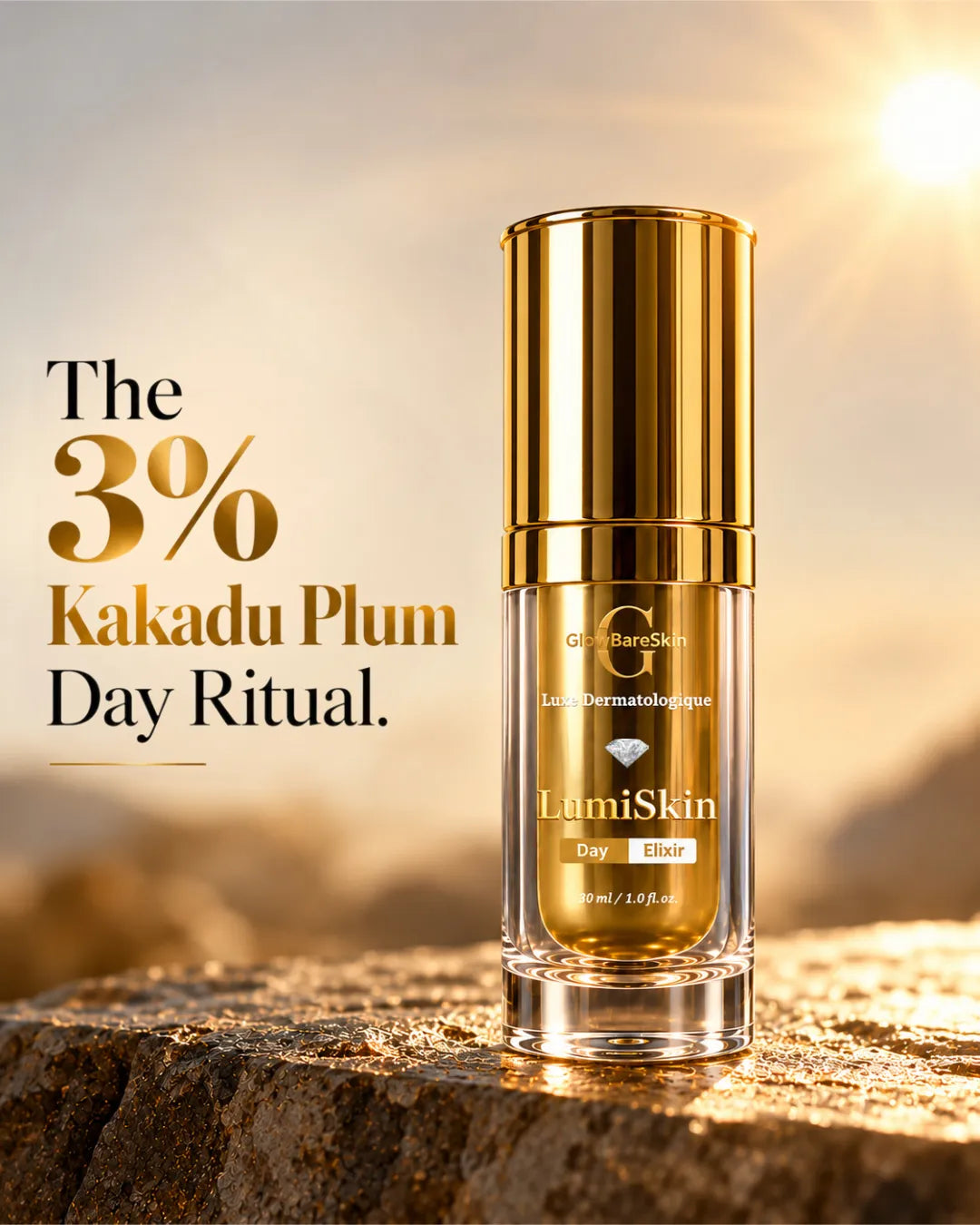
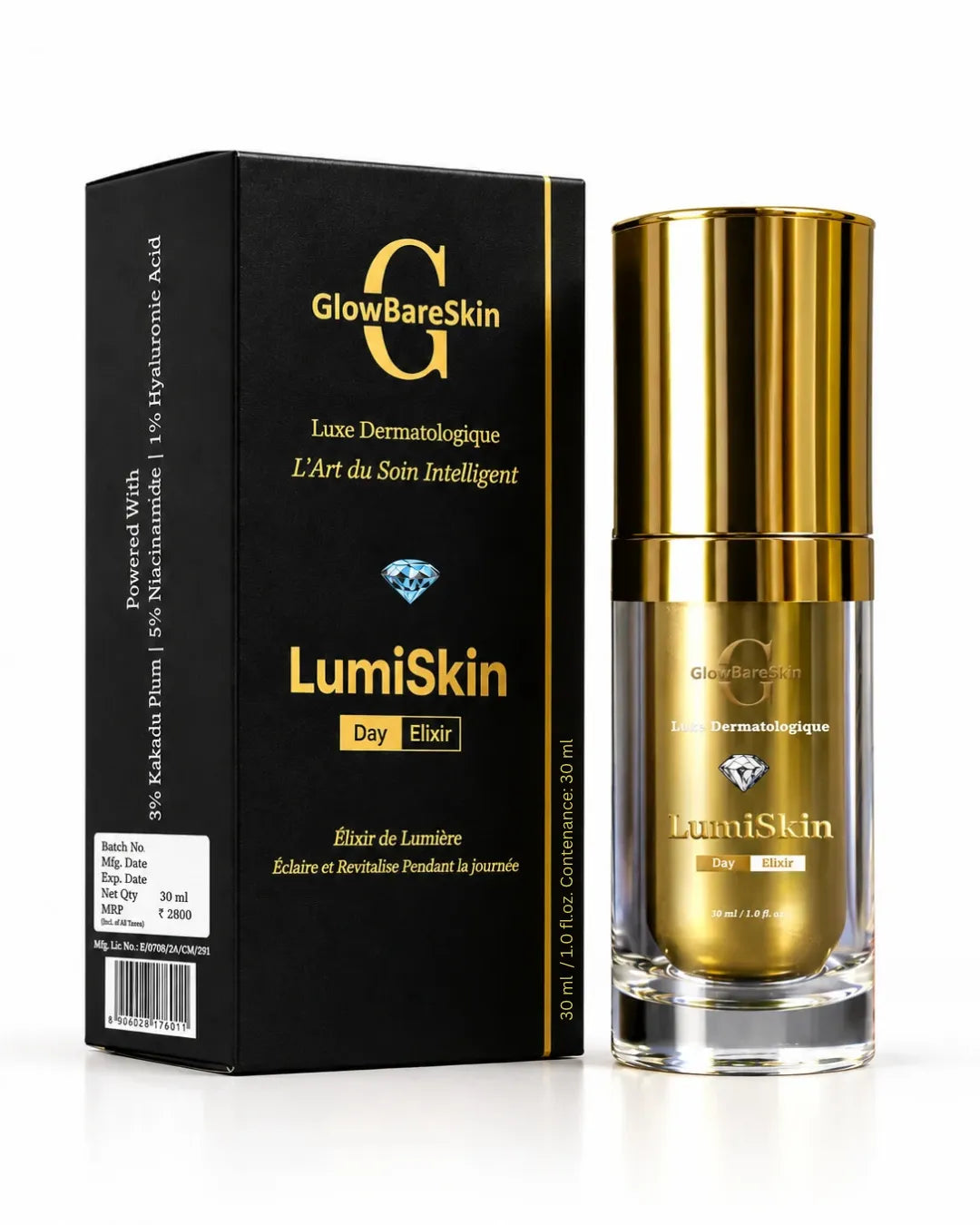
Dull skin is not a hydration problem alone. It is a cellular turnover, oxidative stress, and barrier function problem combined. Choosing the best face serum for dull skin means matching the right active ingredients to the right skin concern, not just picking the most popular bottle on the shelf.
Why Dull Skin Needs a Serum, Not Just a Moisturiser
The Science Behind Skin Dullness
Dull skin typically results from a buildup of dead skin cells on the stratum corneum, reduced microcirculation, and declining antioxidant defence. Serums carry a higher concentration of actives than moisturisers because their low-molecular-weight base allows deeper penetration into the epidermis. This is why dermatologists consistently recommend layering a targeted serum beneath your moisturiser rather than relying on a cream alone.
Serum vs. Moisturiser: A Practical Comparison
In practice, moisturisers seal and protect, while serums correct and treat. A serum formulated with Vitamin C, niacinamide, or alpha-arbutin can visibly improve the appearance of uneven skin tone over consistent use, something a standard moisturiser cannot replicate. Skincare that combines both steps delivers the most complete approach to lasting radiance.
|
Product Type |
Active Concentration |
Primary Role |
Best For |
|
Face Serum |
High (10-20%+) |
Correct and target |
Dullness, pigmentation, uneven tone |
|
Moisturiser |
Low to moderate |
Hydrate and seal |
Barrier support, softness |
|
Essence |
Low |
Prep and hydrate |
Pre-serum absorption boost |
Key Ingredients to Look for in a Brightening Serum
Proven Actives That Target Dullness Directly
Vitamin C (L-ascorbic acid) remains the most researched brightening ingredient, inhibiting melanin synthesis by interfering with tyrosinase enzyme activity. Niacinamide at 5 to 10 percent reduces melanosome transfer to skin cells, visibly improving uneven tone over four to eight weeks. Alpha-arbutin, kojic acid, and tranexamic acid are secondary brighteners worth seeking in a well-rounded formula.
Supporting Ingredients That Amplify Radiance
Hyaluronic acid draws moisture into the skin, plumping the surface and making dullness less visible almost immediately. Kakadu plum, one of the richest natural sources of Vitamin C, is increasingly used in science-backed formulations as a complementary brightening agent. Peptides and ceramides support the skin barrier, which is essential because a compromised barrier accelerates moisture loss and worsens the flat, grey appearance associated with dull skin.
-
Vitamin C (L-ascorbic acid): Inhibits tyrosinase and neutralises free radicals that cause oxidative dullness.
-
Niacinamide: Reduces melanosome transfer and strengthens the skin barrier simultaneously.
-
Alpha-arbutin: A stable, gentle melanin inhibitor suited to sensitive and darker skin tones.
-
Tranexamic acid: Addresses post-inflammatory hyperpigmentation and UV-triggered dullness.
-
Hyaluronic acid: Restores surface plumpness, making skin appear more luminous immediately.
-
Kakadu plum extract: Delivers natural Vitamin C alongside bioflavonoids for antioxidant support. For a complete routine built around this ingredient, the Step Skincare Routine Kit For Glow & SPF | GlowBareSkin Éclat Full Set is a strong starting point.
How to Choose the Right Serum for Your Skin Type
Matching Formulas to Skin Concerns
Oily and combination skin types benefit most from water-based, lightweight serums with niacinamide or Vitamin C in a stable, non-greasy base. Dry skin types need a serum that pairs brightening actives with humectants like hyaluronic acid or glycerin. Sensitive skin types should prioritise alpha-arbutin or tranexamic acid over L-ascorbic acid, since lower-pH Vitamin C formulas can cause temporary stinging on reactive skin.
A Step-by-Step Buying Decision Framework
Before purchasing, identify your primary concern: overall greyness, dark spots, or post-acne marks. Each concern maps to a different lead ingredient, and buying the wrong one wastes both time and money. GlowBareSkin, founded by Bathula Meghana, uses proven actives at effective concentrations so buyers can make confident, informed choices rather than guessing at ingredient labels.
-
Identify your primary skin concern: overall dullness, dark spots, or uneven tone.
-
Check the active ingredient and its listed concentration on the label.
-
Confirm the formula suits your skin type (oily, dry, combination, or sensitive).
-
Patch test on the inner arm for 24 hours before full facial application.
-
Introduce one new serum at a time to accurately track results over four to six weeks.
Comparing Top Serum Options and Where GlowBareSkin Fits
What the Market Currently Offers
The Indian brightening serum market in 2026 is crowded with options ranging from budget-friendly niacinamide serums under INR 500 to premium Vitamin C formulations above INR 2,000. The key differentiator among top performers is formulation stability, because Vitamin C oxidises quickly in poorly sealed or improperly buffered products, rendering them ineffective before the bottle is finished.
Why Ingredient Integrity Matters More Than Brand Size
GlowBareSkin positions itself around ingredient integrity and thoughtful formulation, which matters most when investing in a serum meant to deliver visible radiance improvement. A science-backed approach means prioritising stable active delivery over marketing claims. To protect that investment, pairing your serum with the Kakadu Plum SPF 30+++ Sunscreen for Face, No White Cast daily prevents UV-triggered pigmentation from reversing your progress.
|
Serum Feature |
Budget Tier (Under INR 600) |
Mid Tier (INR 600-1500) |
Premium Tier (INR 1500+) |
|
Active Concentration |
Low to moderate |
Moderate to high |
High with stability systems |
|
Formula Stability |
Variable |
Generally stable |
Optimised pH and packaging |
|
Skin Type Suitability |
Broad but basic |
Targeted options available |
Specific and layered actives |
|
Best For |
First-time serum users |
Consistent daily routines |
Visible radiance improvement goals |
-
Always check packaging: opaque or airless pump bottles protect Vitamin C from oxidation far better than clear dropper bottles. -
Look for a pH between 3.0 and 3.5 for L-ascorbic acid serums to ensure effective skin penetration.
-
Begin your routine with a gentle, effective cleanser such as the Kakadu Plum Face Cleanser for Dull & Oily Skin to remove impurities before applying any serum.
Frequently Asked Questions
How long does it take for a brightening serum to show results on dull skin?
Most users notice improved radiance within four to six weeks of consistent daily use, though results vary based on skin type, active concentration, and sun exposure habits.
Can I use a Vitamin C serum and niacinamide together?
Yes, modern formulations and layering techniques make combining Vitamin C and niacinamide effective, though applying them at different times of day can reduce the risk of temporary flushing in sensitive skin.
Is a face serum for dull skin suitable for oily skin types?
Water-based brightening serums with niacinamide or alpha-arbutin are well-suited to oily skin because they deliver actives without adding heaviness or contributing to congestion.
Should I apply serum before or after moisturiser?
Always apply serum to clean skin before moisturiser so the active ingredients can penetrate without a barrier layer blocking absorption.
What is the most stable form of Vitamin C in a brightening serum?
Ascorbyl glucoside and sodium ascorbyl phosphate are more stable derivatives than L-ascorbic acid, making them a practical choice for buyers who want a longer shelf life without sacrificing brightening benefit.
Featured by India's Leading Publications


