 India
Oil-Free Face Moisturizers | Hydration Without Extra Shine
Oil Free Moisturizer: The Ingredient-Level Guide to Hydration Without the Grease
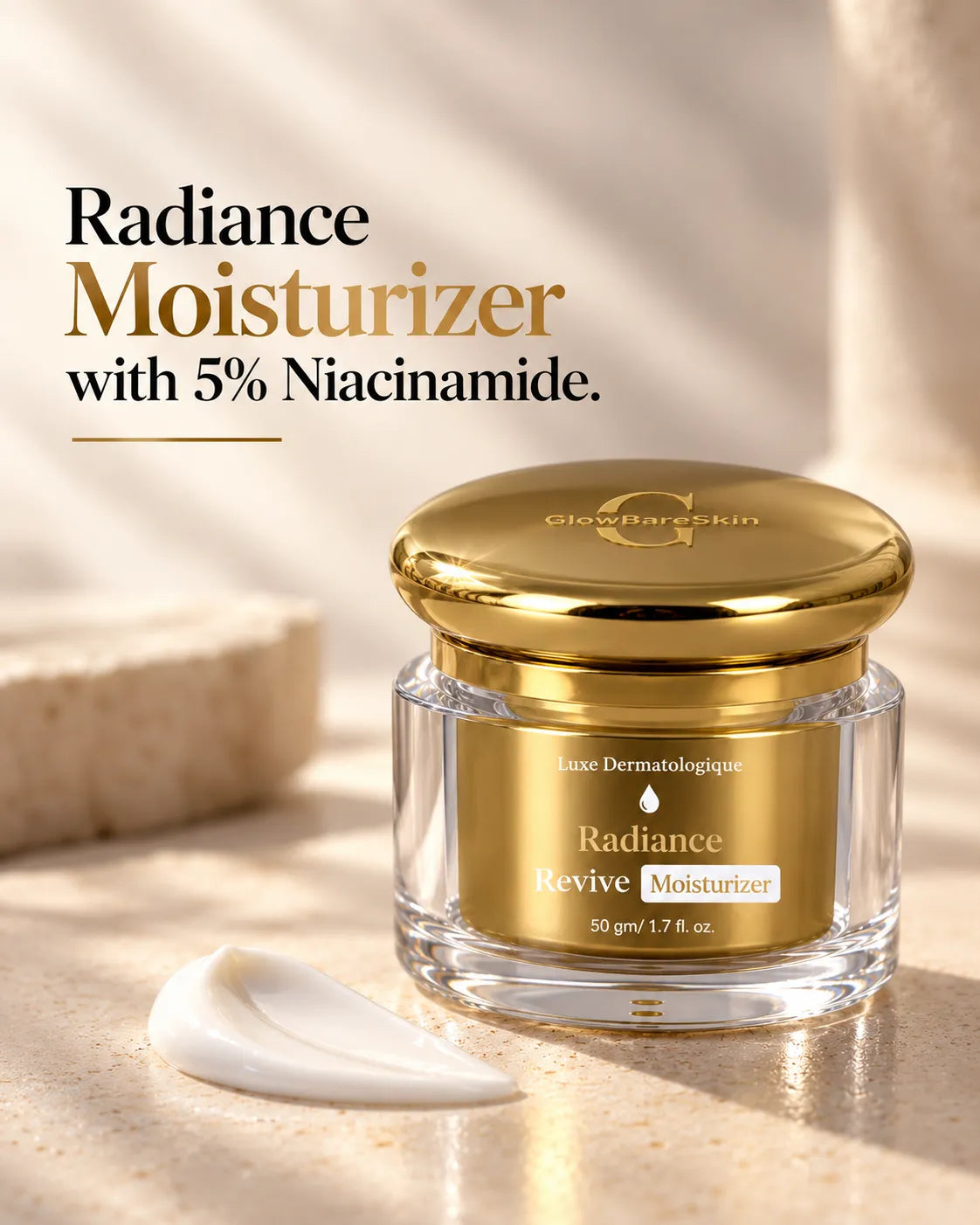
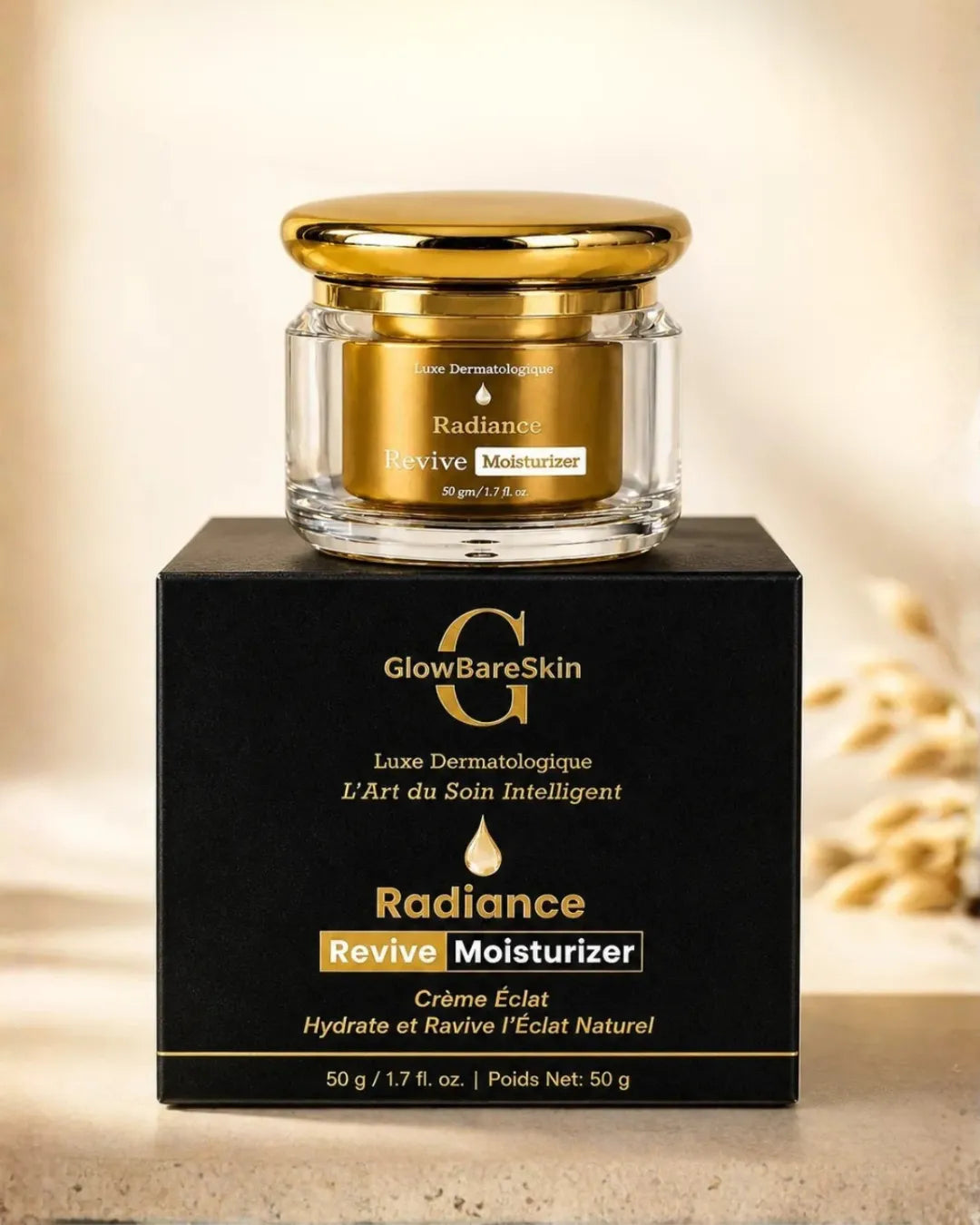
Choosing an oil free moisturizer is not simply about avoiding shine. It is about understanding which humectants, film-formers, and barrier ingredients can deliver lasting hydration without clogging pores or triggering breakouts. This guide breaks down the science, the label-reading skills, and the selection criteria that separate genuinely effective formulas from ones that just market themselves as lightweight. For more information, explore the Kakadu Plum Face Cleanser for Dull & Oily Skin.
What "Oil Free" Actually Means on a Moisturizer Label
The Regulatory Reality Behind the Claim
In most markets, including India and the United States, "oil free" is a cosmetic marketing term with no standardized regulatory definition. A product can legally carry this label while still containing silicones, wax esters, or fatty alcohols that behave similarly to oils on the skin surface. The practical test is to scan the ingredient list for entries like dimethicone, cyclopentasiloxane, cetyl alcohol, or isopropyl myristate, all of which are technically not oils but can still feel occlusive on oily or acne-prone skin.
Comedogenicity Ratings and Why They Matter More Than the Label
Comedogenicity ratings, scored on a 0 to 5 scale, give a more reliable signal than front-of-pack claims. An ingredient rated 0 to 1 is considered non-comedogenic, while anything rated 3 or above carries a meaningful risk of pore blockage for acne-prone skin types. A moisturizer labeled oil free but formulated with isopropyl myristate (rated 4 to 5) can cause more congestion than a lightweight facial oil like squalane (rated 1).
|
Ingredient |
Type |
Comedogenicity Rating (0-5) |
Common Role in Formula |
|
Hyaluronic Acid |
Humectant |
0 |
Draws moisture into skin layers |
|
Niacinamide |
Active / Sebum regulator |
0 |
Reduces pore appearance, controls oil |
|
Dimethicone |
Silicone emollient |
1 |
Smooths texture, seals moisture |
|
Glycerin |
Humectant |
0 |
Binds water to the stratum corneum |
|
Isopropyl Myristate |
Emollient / Penetration enhancer |
4-5 |
Improves spreadability |
|
Ceramide NP |
Barrier lipid |
0-1 |
Reinforces skin barrier function |
Key Ingredients That Deliver Hydration Without Added Oil
Humectants: The Core of Any Effective Oil Free Formula
Humectants attract water molecules from the environment and from deeper skin layers toward the stratum corneum. Hyaluronic acid, particularly in its low-molecular-weight form, can penetrate beyond the surface to support hydration at multiple skin depths, while glycerin remains one of the most studied and cost-effective humectants available. Sodium PCA, a naturally occurring component of the skin's natural moisturizing factor, is worth looking for in oil free formulas because it closely mimics the skin's own hydration chemistry. Exploring the full Skincare range can help identify products built around these proven humectant combinations.
Barrier Actives That Replace the Role of Occlusive Oils
One underappreciated challenge with oil free moisturizers is that they remove the occlusive layer oils traditionally provide, meaning water can evaporate from the skin surface more quickly. Ceramides, specifically ceramide NP, EOP, and AP, address this by reinforcing the lipid matrix between skin cells, reducing transepidermal water loss without adding surface grease. Niacinamide at concentrations between 2% and 5% complements this by supporting ceramide synthesis and reducing sebum production over consistent use.
-
Hyaluronic Acid: Attracts up to 1,000 times its weight in water; most effective in multi-weight formulas.
-
Glycerin: Strengthens the skin barrier and reduces TEWL; well-tolerated across most skin types.
-
Niacinamide: Regulates sebum, supports ceramide production, and helps improve the appearance of enlarged pores.
-
Ceramides: Restore the lipid barrier without contributing to surface oiliness.
-
Sodium PCA: Mirrors the skin's natural moisturizing factor for targeted hydration.
-
Panthenol (Vitamin B5): Soothes and supports skin repair while maintaining a lightweight texture.
How to Choose the Right Oil Free Moisturizer for Your Skin Type
A Step-by-Step Evaluation Process Before You Buy
The ingredient list tells a more accurate story than any marketing claim. For those who want a fully coordinated approach, the Step Skincare Routine Kit For Glow & SPF | GlowBareSkin Éclat Full Set offers a structured, science-backed system built around proven actives. Use the following process to evaluate any formula before committing to a full-size purchase.
-
Check the first five ingredients: water or aloe should appear first, followed by humectants like glycerin or hyaluronic acid.
-
Scan for high-comedogenicity emollients such as isopropyl myristate, coconut oil, or cocoa butter.
-
Confirm the presence of at least one barrier-supporting ingredient: ceramides, niacinamide, or panthenol.
-
Look for fragrance or essential oils near the top of the list, which can irritate acne-prone or sensitive skin.
-
Cross-reference key ingredients against a comedogenicity database before purchasing.
|
Skin Type |
Best Texture |
Priority Ingredients |
Ingredients to Avoid |
|
Oily / Acne-Prone |
Water-gel or gel-cream |
Niacinamide, Hyaluronic Acid, Salicylic Acid |
Isopropyl Myristate, Coconut Oil |
|
Combination |
Lightweight lotion or gel-cream |
Glycerin, Ceramides, Niacinamide |
Heavy waxes, Lanolin |
|
Normal |
Lotion or fluid |
Hyaluronic Acid, Panthenol, Ceramides |
Highly occlusive silicones in excess |
|
Sensitive |
Fragrance-free lotion |
Ceramides, Glycerin, Centella Asiatica |
Fragrance, Alcohol Denat., Essential Oils |
Building an Oil Free Moisturizer Into a Daily Skincare Routine
Layering Order and Application Timing
An oil free moisturizer performs best when applied to slightly damp skin immediately after cleansing and toning, because residual moisture gives humectants more water molecules to bind and retain. Applying to completely dry skin, especially in low-humidity environments, can cause humectants to draw moisture upward from deeper skin layers, which may temporarily increase dryness. The correct layering sequence is: cleanser, water-based toner or essence, active serums, oil free moisturizer, and then SPF in the morning. Pairing your routine with a dedicated Kakadu Plum SPF 30+++ Sunscreen for Face, No White Cast ensures the final protective step does not undermine the lightweight feel of your moisturizer.
-
Apply to damp skin within 60 seconds of cleansing for maximum humectant efficiency.
-
Use SPF over your moisturizer every morning, even on cloudy days or indoors near windows.
-
Do not mix an oil free moisturizer with a facial oil in the same step; apply oils after if needed.
-
Patch test any new formula on the jawline or inner arm for 48 hours before full-face use.
Frequently Asked Questions
Can an oil free moisturizer still cause breakouts?
Yes, if it contains high-comedogenicity ingredients like isopropyl myristate or certain waxes, an oil free label alone does not guarantee it will be non-comedogenic for acne-prone skin.
Is an oil free moisturizer suitable for dry skin?
It can be, provided the formula contains strong humectants like hyaluronic acid and barrier ingredients like ceramides to compensate for the absence of occlusive oils.
How is an oil free moisturizer different from a water-based moisturizer?
Water-based moisturizers use water as the primary carrier and may still contain small amounts of emollients, while oil free specifically means no plant, mineral, or synthetic oils are included in the formula.
Should I use an oil free moisturizer if I have combination skin?
A lightweight gel-cream or lotion texture with niacinamide and ceramides is generally well-suited to combination skin because it hydrates dry zones without overloading oily areas.
How long does it take to see results from an oil free moisturizer?
Surface hydration is typically noticeable within the first few applications, while improvements in pore appearance, sebum control, and skin texture from actives like niacinamide generally require four to eight weeks of consistent daily use.
Featured by India's Leading Publications


