
 India
Ultimate AM PM Skincare Routine | Day & Night Steps
AM PM Skincare Routine: The Timing-First Framework That Makes Every Product Work Harder
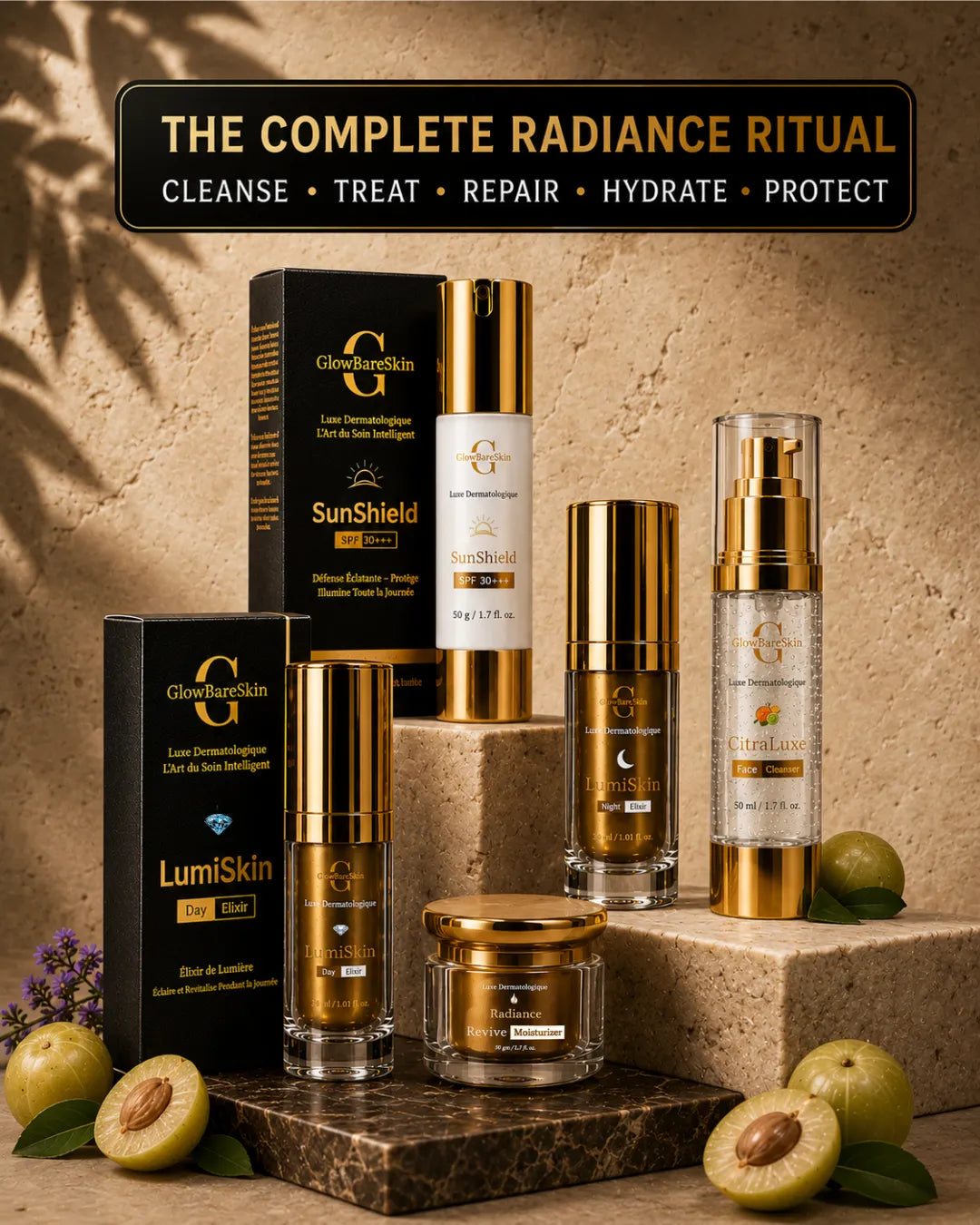
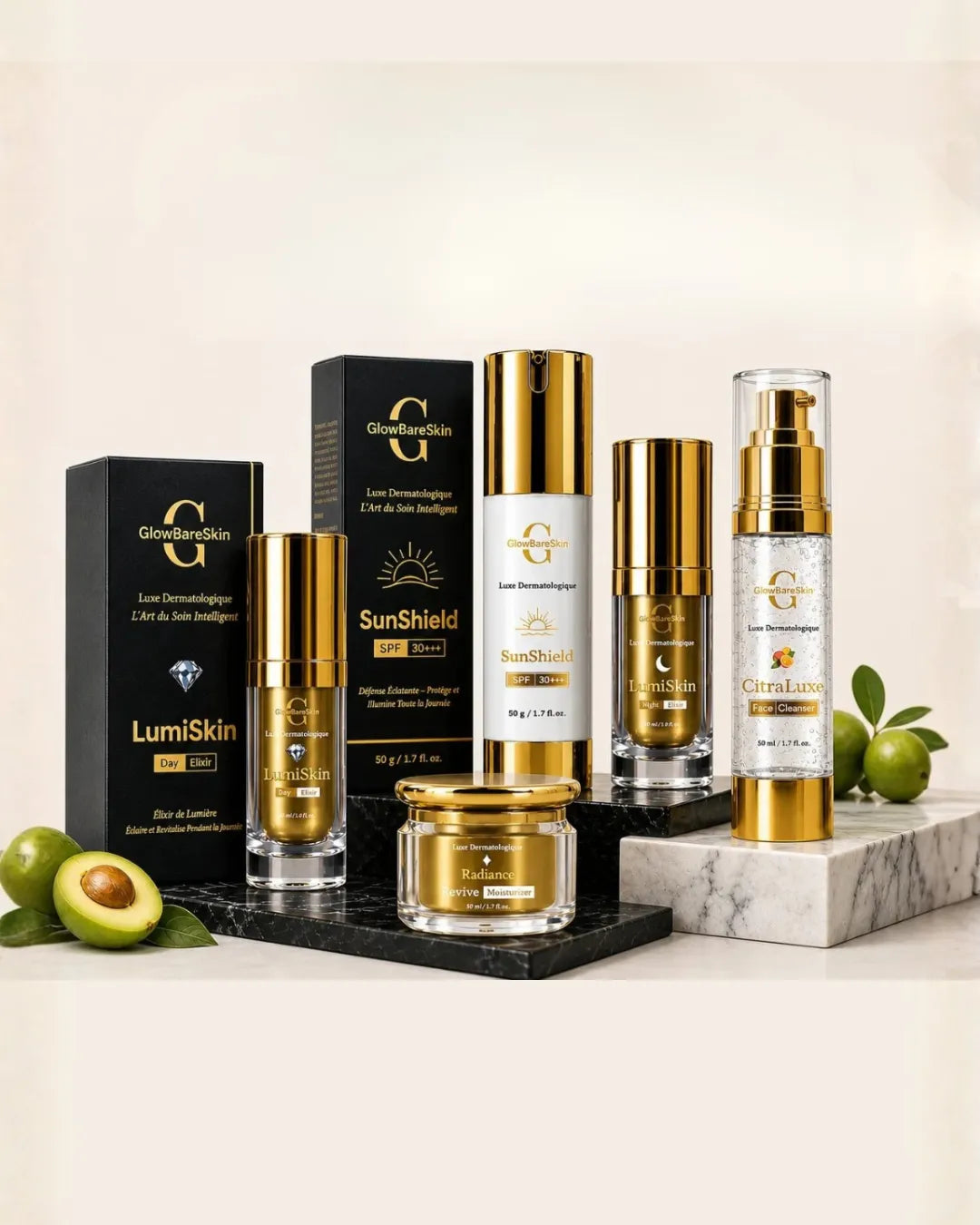
Most skincare routines fail not because of wrong products, but wrong timing. Your skin operates on a circadian rhythm, meaning its repair priorities shift dramatically between morning and night. This guide gives you a precise, ingredient-level AM PM skincare routine you can build and buy today.
Why AM and PM Routines Must Be Completely Different
The Circadian Biology Behind Skin Timing
Skin cell turnover peaks between 11 PM and 4 AM, according to research published in the Journal of Investigative Dermatology. During the day, your skin prioritises defence against UV radiation, pollution, and oxidative stress. At night, it shifts into repair mode, increasing permeability and absorbing actives more efficiently.
What Happens When You Ignore the Difference
Using retinol in the morning without SPF accelerates photodegradation and increases sensitivity, making the active essentially useless. Applying heavy occlusive night creams in the morning traps pollutants against the skin barrier rather than protecting it. Matching your product to the correct window is not optional; it is the foundation of any effective routine.
|
Routine Window |
Skin Priority |
Key Actives to Use |
Actives to Avoid |
|
AM (Morning) |
Protection and antioxidant defence |
Vitamin C, Niacinamide, SPF |
Retinol, AHAs, strong exfoliants |
|
PM (Night) |
Repair, renewal, and deep hydration |
Retinol, Peptides, Ceramides, Bakuchiol |
SPF, heavy antioxidant layering |
Building Your AM Skincare Routine Step by Step
The Correct Morning Layering Order
Morning routines should follow a thin-to-thick layering principle, always ending with broad-spectrum sun protection. Skipping or misplacing any step reduces the efficacy of every product applied after it. In practice, a focused four-step AM routine outperforms a cluttered seven-step one because each product can penetrate without interference.
Ingredients That Belong Exclusively in the Morning
Vitamin C serums, particularly L-ascorbic acid formulations, are most effective in the morning because they neutralise free radicals generated by UV and pollution exposure throughout the day. Niacinamide pairs well in the AM window, helping to visibly improve uneven skin tone and support the skin barrier against environmental stressors. Sunscreen is non-negotiable; SPF 30 or higher applied as the final step is the single most evidence-supported anti-ageing and pigmentation-prevention measure available, and the Kakadu Plum SPF 30+++ Sunscreen for Face, No White Cast is a strong option for daily use.
-
Step 1: Gentle Cleanser - Remove overnight sebum without stripping the barrier.
-
Step 2: Vitamin C Serum - Apply to damp skin for better absorption and antioxidant coverage.
-
Step 3: Niacinamide Moisturiser - Lock in hydration and reinforce the skin barrier.
-
Step 4: Broad-Spectrum Sunscreen (SPF 30+) - Apply generously and reapply every two hours outdoors.
Building Your PM Skincare Routine Step by Step
Why Night Routines Can Carry Stronger Actives
Skin permeability increases at night, which means actives like retinol, bakuchiol, and peptides penetrate more deeply and work more efficiently during sleep hours. Retinol, the gold standard for supporting skin renewal and helping reduce the appearance of fine lines, degrades rapidly under UV light, making nighttime the only appropriate application window. Bakuchiol, a plant-derived alternative studied in peer-reviewed research, offers a gentler option for those whose skin finds retinol sensitising.
The Correct Night Layering Order
Double cleansing at night is a practical standard, not a luxury step; an oil-based cleanser removes SPF and makeup residue that water-based cleansers cannot fully dissolve, and the Kakadu Plum Face Cleanser for Dull & Oily Skin is formulated to handle that second cleanse effectively. After cleansing, apply your treatment serum or retinol, allow it to absorb for 60 to 90 seconds, then seal with a ceramide-rich moisturiser or overnight mask. Ceramides are lipid molecules that restore the skin barrier, and their inclusion in a PM moisturiser is one of the most evidence-supported choices for long-term skin health.
-
Double Cleanse: Oil cleanser first, then a gentle water-based cleanser.
-
Toner or Essence: Optional hydration layer to prep skin for actives.
-
Treatment Serum: Retinol, bakuchiol, or peptide serum depending on your skin concern.
-
Eye Cream: Peptide-based formulas support the delicate periorbital area.
-
Ceramide Moisturiser or Overnight Mask: Seals in actives and supports barrier repair.
Choosing the Right Products for Your AM PM Routine
How to Evaluate Formulations Before You Buy
Ingredient concentration and formulation pH matter more than brand name or price point when selecting actives. Vitamin C serums require a pH below 3.5 to remain stable and effective; any formula that does not disclose pH or uses a vague "brightening complex" label is worth scrutinising. For niacinamide moisturisers, a concentration between 2% and 5% is the range supported by published research for visible improvements in skin tone and texture.
Where GlowBareSkin Fits Into a Science-Led Routine
GlowBareSkin, founded by Bathula Meghana, is built around proven actives and thoughtful formulation, making it a practical fit for consumers who want ingredient transparency without navigating complex dermatology literature themselves. The brand's Skincare range prioritises visible results through science-backed actives, which aligns directly with what an effective AM PM skincare routine demands at every step. For a complete solution, the Step Skincare Routine Kit For Glow & SPF | GlowBareSkin Éclat Full Set bundles the essential steps into one cohesive, formulation-led system.
|
Skin Concern |
AM Active to Prioritise |
PM Active to Prioritise |
Routine Complexity |
|
Dullness and uneven tone |
Vitamin C + Niacinamide |
Bakuchiol or Kakadu Plum |
Moderate (4-5 steps) |
|
Fine lines and texture |
Antioxidant serum + SPF |
Retinol + Peptide moisturiser |
Moderate (5 steps) |
|
Dehydration and barrier damage |
Hyaluronic acid + SPF |
Ceramide moisturiser + overnight mask |
Simple (3-4 steps) |
|
Pigmentation and dark spots |
Vitamin C + broad-spectrum SPF |
Niacinamide serum + retinol |
Moderate (4-5 steps) |
-
Patch test any new active on the inner arm for 24 hours before full-face application. -
Introduce one new product at a time, spaced at least one week apart, to isolate reactions.
-
Reapply SPF every two hours when outdoors, regardless of morning application.
-
Consistency over four to six weeks is the minimum timeframe for most actives to show visible change.
Frequently Asked Questions
Can I use the same moisturiser for both my AM and PM routine?
You can, but a dedicated PM moisturiser with ceramides or peptides will support overnight repair more effectively than a lightweight daytime formula.
Is SPF necessary if I stay all day indoors?
Yes, because UVA rays penetrate glass and contribute to pigmentation and premature ageing even with indirect indoor exposure.
Can I use Vitamin C and Niacinamide together in my AM routine?
Modern stable formulations of both actives are generally compatible and can be layered in the morning without the interaction concerns associated with older, less stable Vitamin C forms.
How long should I wait between applying serum and moisturiser?
Waiting 60 to 90 seconds allows the serum to absorb properly before the moisturiser is applied, preventing dilution of the active.
When should I start seeing results from a consistent AM PM routine?
Most skin concerns, including dullness and uneven tone, typically show visible improvement after four to six weeks of consistent twice-daily use.
Featured by India's Leading Publications


