 India
Best Face Serums for Glowing Skin | Fast-Absorbing Radiance
Best Face Serum for Glowing Skin: What Your Routine Is Actually Missing
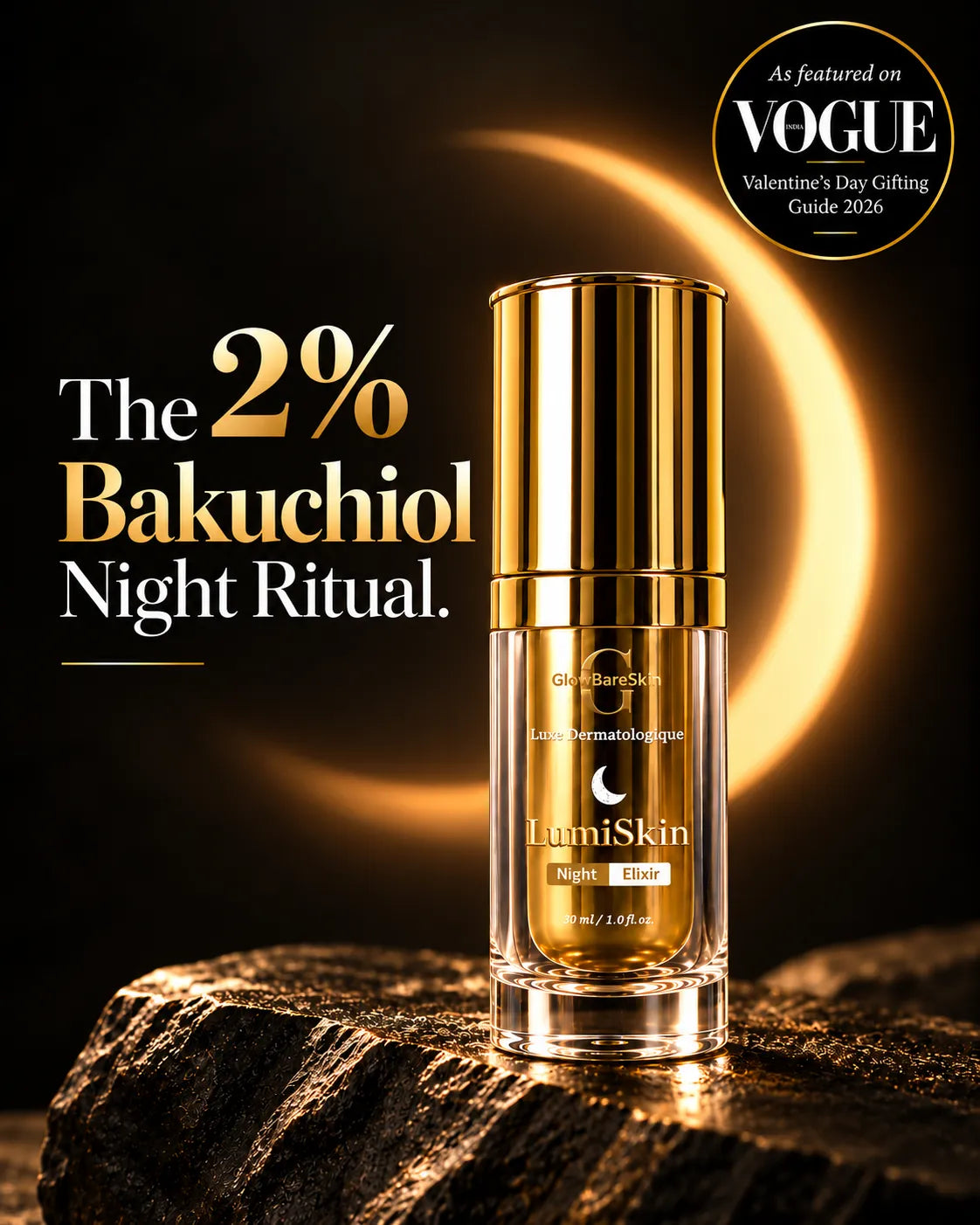
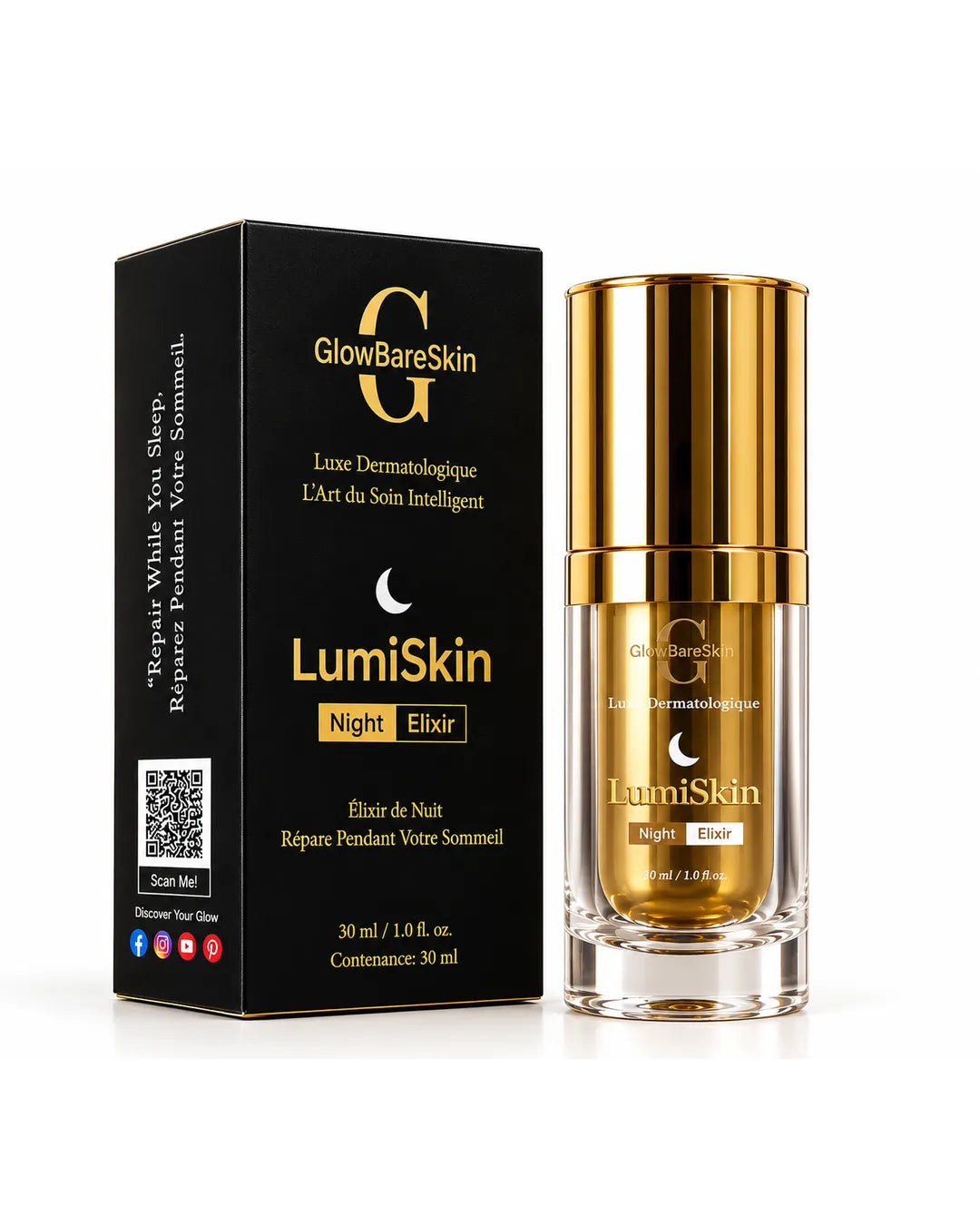
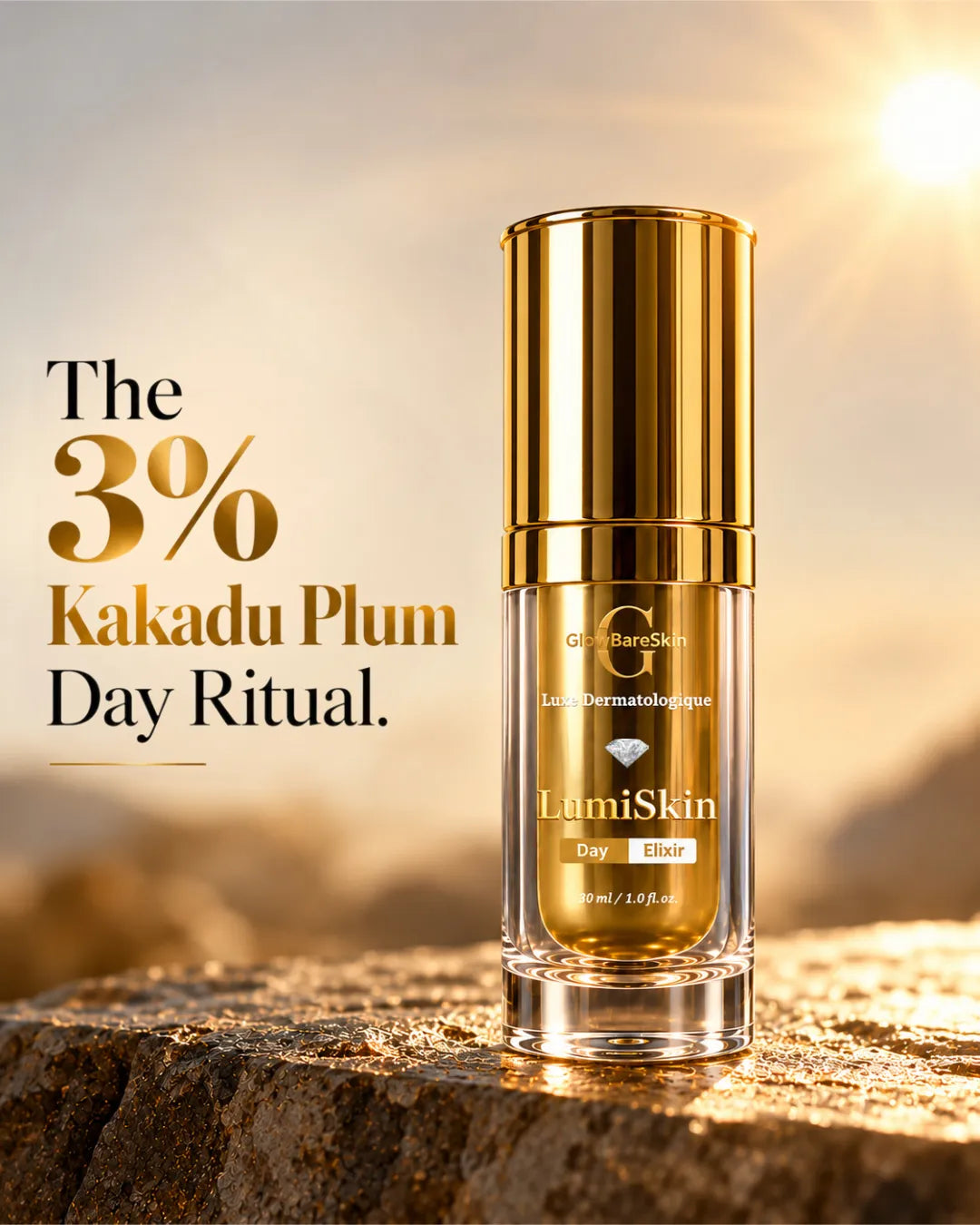
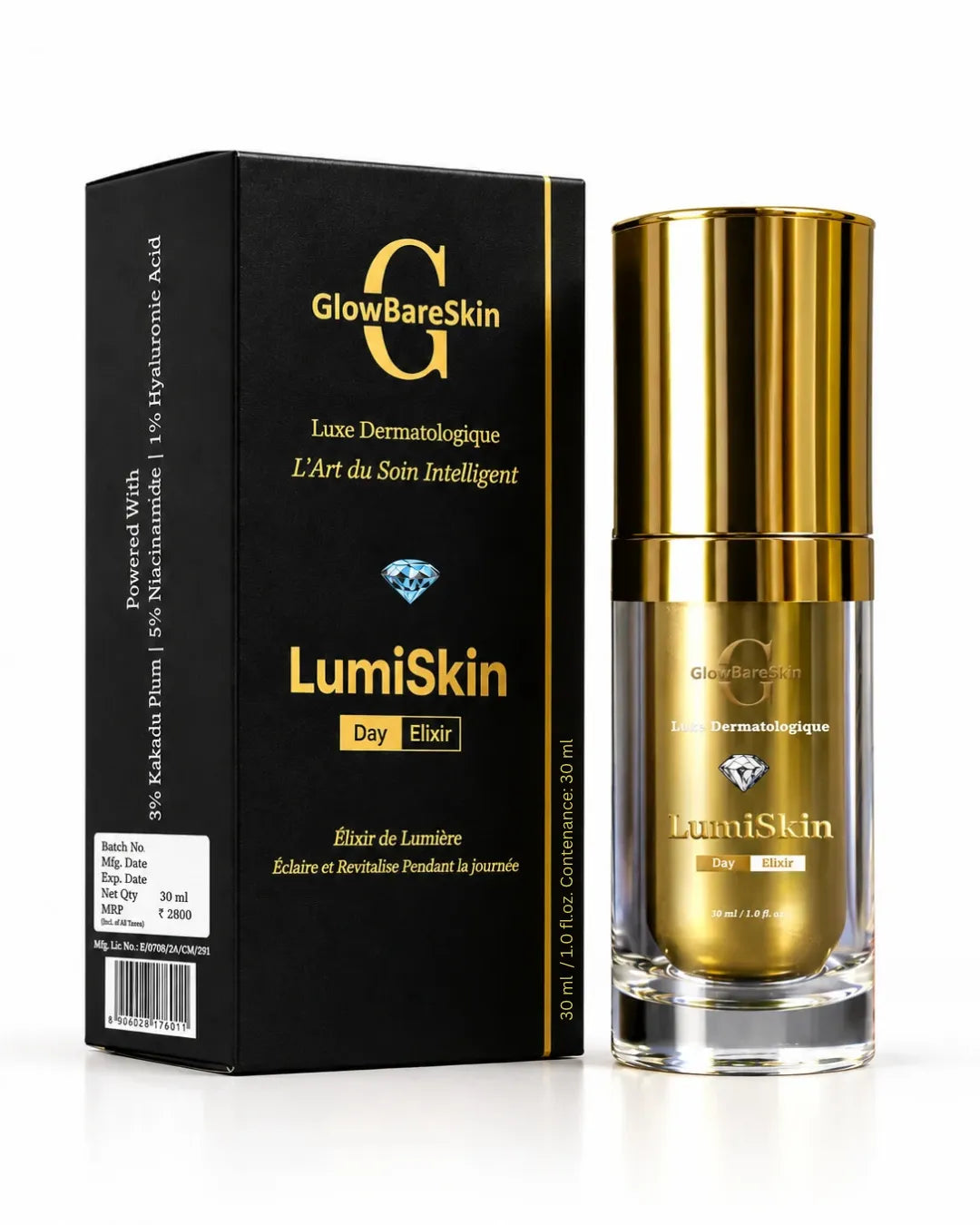
Serums are the highest-concentration step in any skincare routine, and choosing the right one separates a genuinely radiant complexion from one that just looks moisturised. This guide cuts through ingredient noise to help you identify what your skin actually needs, compare key actives, and find a formula worth the investment in 2026.
Why Skin Loses Its Glow and What Serums Actually Fix
The Root Causes of Dullness
Dullness is rarely one problem. It is usually a combination of slowed cell turnover, uneven melanin distribution, dehydration at the epidermal level, and oxidative stress from UV and pollution exposure. Serums address these causes more directly than creams because their low-molecular-weight formulas penetrate the stratum corneum rather than sitting on top of it. Understanding which cause dominates your skin is the first step toward choosing an active that delivers visible change.
How Serums Differ from Moisturisers for Glow
A moisturiser primarily reinforces the skin barrier and reduces transepidermal water loss, while a serum delivers a targeted payload of actives at a higher percentage than any cream can sustain. Layering a well-formulated serum under your moisturiser amplifies the effect of both products. The serum handles the corrective work; the moisturiser locks in the results. Exploring the full Skincare category is a useful starting point for building this kind of layered routine. For more information, explore the Kakadu Plum Face Cleanser for Dull & Oily Skin.
Key Ingredients to Look for in a Glow Serum
Brightening and Antioxidant Actives
Vitamin C (L-ascorbic acid or its stable derivatives such as ascorbyl glucoside) is the most researched brightening active, helping to visibly improve the appearance of uneven skin tone when used consistently. Niacinamide at concentrations between 5 and 10 percent supports a more even complexion and helps minimise the look of enlarged pores. Kakadu plum extract, one of the richest plant sources of natural vitamin C, is increasingly featured in science-backed formulations for its antioxidant profile.
Hydration and Barrier-Support Ingredients
Hyaluronic acid draws moisture into the skin, and when combined with ceramides, it helps maintain the barrier integrity that keeps skin looking plump and reflective. Bakuchiol, a plant-derived retinol alternative, supports skin renewal without the sensitivity risk retinol can carry. Peptides round out a well-formulated glow serum by supporting the appearance of firmness, which directly affects how light reflects off the skin surface. For a complete routine built around these actives, the Step Skincare Routine Kit For Glow & SPF | GlowBareSkin Éclat Full Set offers a well-considered starting point.
|
Active Ingredient |
Primary Glow Benefit |
Ideal Skin Type |
Typical Effective Concentration |
|
Vitamin C (L-Ascorbic Acid) |
Brightens uneven tone, antioxidant protection |
Normal, oily, combination |
10-20% |
|
Niacinamide |
Evens skin tone, refines pores |
All skin types |
5-10% |
|
Hyaluronic Acid |
Deep hydration, plumping effect |
All skin types, especially dry |
0.1-2% |
|
Bakuchiol |
Supports renewal, improves texture |
Sensitive, dry, mature |
0.5-1% |
|
Kakadu Plum Extract |
Natural antioxidant, brightening support |
All skin types |
Varies by formulation |
How to Evaluate and Choose the Right Glow Serum
A Step-by-Step Selection Framework
Choosing a serum without a framework leads to layering conflicts, wasted spend, and inconsistent results. Following these steps reduces the risk of purchasing a serum that conflicts with your existing routine or skin condition.
-
Identify your primary concern: dullness from dehydration, pigmentation, or slow cell turnover.
-
Check the active ingredient list and its position in the formula (higher on the list means higher concentration).
-
Confirm the pH compatibility of the serum with your existing toner or exfoliant.
-
Patch test on the inner arm for 24 to 48 hours before full-face application.
-
Introduce one new serum at a time and allow four to six weeks to assess visible change.
Red Flags to Avoid When Buying
Fragrance listed high in the ingredient deck is a common formulation shortcut that can irritate skin and counteract brightening actives over time. Alcohol denat as a primary solvent may create a temporary tightening sensation that mimics efficacy but actually disrupts the barrier. A serum that promises overnight transformation without specifying its active concentrations is almost always relying on marketing rather than formulation science.
-
Avoid serums with synthetic fragrance in the top five ingredients.
-
Skip formulas that list alcohol denat before the key actives.
-
Be cautious of products that do not disclose active percentages.
-
Do not layer two high-concentration vitamin C serums from different brands simultaneously.
-
Avoid mixing niacinamide with high-dose L-ascorbic acid in the same application step if your skin is reactive.
GlowBareSkin: Science-Backed Formulation for Visible Radiance
What Sets GlowBareSkin Apart in a Crowded Market
GlowBareSkin, founded by Bathula Meghana, is built on a straightforward principle: proven actives at meaningful concentrations, without unnecessary fillers. The brand's formulations address concerns most common among Indian skin tones, including pigmentation, uneven texture, and humidity-related congestion, using ingredients with established cosmetic research behind them. The Kakadu Plum SPF 30+++ Sunscreen for Face, No White Cast is a strong example of this approach, combining antioxidant-rich Kakadu plum with broad-spectrum protection in a formula that leaves no residue.
|
Feature |
Generic Mass-Market Serum |
GlowBareSkin Approach |
|
Ingredient Transparency |
Often vague or proprietary blends |
Active-focused, ingredient-led formulation |
|
Formulation Philosophy |
Fragrance and filler-heavy |
Proven actives, minimal unnecessary additives |
|
Skin Tone Consideration |
Generic global formulas |
Designed with Indian skin concerns in mind |
|
Brand Credibility |
Mass retail, limited founder story |
Founder-led, science-backed luxury positioning |
-
Formulated with actives that have established cosmetic research supporting their use. -
Addresses pigmentation, dullness, and uneven texture common in Indian climates.
-
Luxury sensory experience without sacrificing formulation integrity.
-
Transparent brand ethos led by a founder with a clear skincare vision.
Frequently Asked Questions
How long does it take for a glow serum to show visible results?
Most well-formulated glow serums require consistent daily use for four to six weeks before visible improvement in skin tone and radiance becomes apparent.
Can I use a vitamin C serum and niacinamide together?
Yes, modern stable vitamin C derivatives and niacinamide can generally be layered without issue, though highly reactive skin types may prefer to use them at different times of day.
What is the best time of day to apply a glow serum?
Antioxidant serums like vitamin C are most effective in the morning to help defend against UV and pollution, while renewal-focused actives like bakuchiol are typically better suited to an evening routine.
Do I need a separate serum for pigmentation and hydration?
Not always; many well-formulated serums combine brightening actives with hydrating ingredients like hyaluronic acid, making a single product sufficient for both concerns.
Is a face serum suitable for oily or acne-prone skin?
Yes, lightweight water-based serums with niacinamide or vitamin C are generally well-tolerated by oily skin and can help improve the appearance of uneven tone without adding excess oil.
Featured by India's Leading Publications


