
 India
Hydrating Face Wash for Dry Skin in India | Non-Stripping
Face Wash for Dry Skin India: What Your Cleanser Is Actually Stripping Away
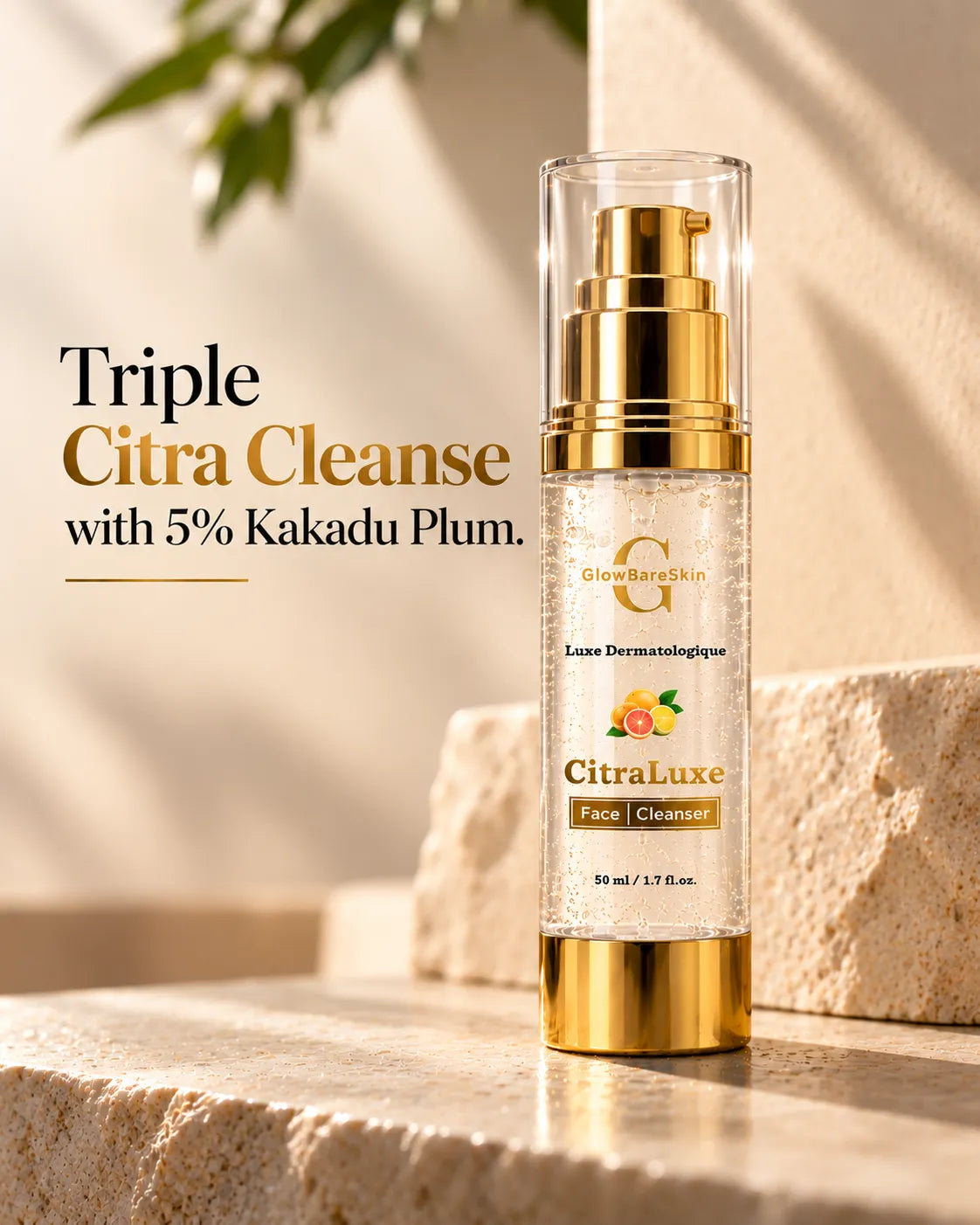
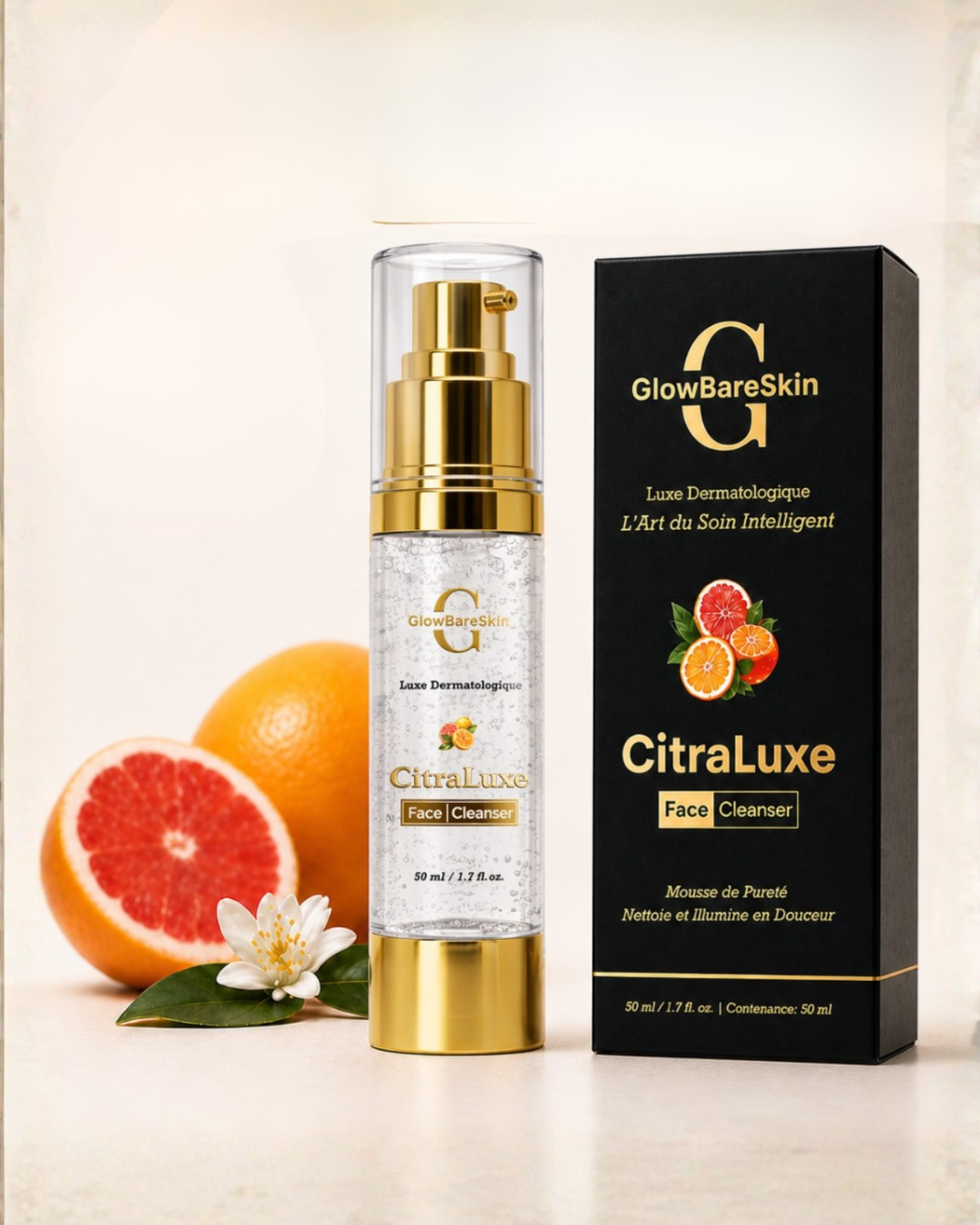
Most face washes sold in India are formulated for oily or combination skin, which means dry skin users are often cleansing with products that actively worsen their condition. Choosing the right face wash for dry skin in India requires understanding barrier chemistry, ingredient function, and how India's climate affects skin moisture levels throughout the year.
Why Dry Skin in India Needs a Different Cleansing Standard
The Barrier Problem Most Buyers Overlook
Dry skin lacks sufficient ceramides and natural moisturising factors (NMFs) to retain water effectively, making the skin barrier structurally weaker than oily or normal skin types. A face wash that uses sodium lauryl sulfate (SLS) or high-concentration sodium laureth sulfate (SLES) strips the remaining lipid layer, pushing transepidermal water loss (TEWL) higher after every wash. This creates a cycle where skin feels tight, looks dull, and becomes more reactive over time, not because of the climate alone, but because of the cleanser.
How India's Climate Complicates Dry Skin Cleansing
India's geographic diversity means dry skin behaves differently in Delhi's dry winters versus Mumbai's humid monsoon season. Hard water, common across most Indian metros, contains high calcium and magnesium ion concentrations that react with surfactants to form soap scum residue on the skin, further disrupting the barrier. Dermatologists increasingly recommend low-pH, mild surfactant cleansers because hard water amplifies the stripping effect of conventional face washes. For a complete approach to skin health, exploring dedicated Skincare ranges built around barrier-conscious formulation is worthwhile.
Ingredients That Define a Good Face Wash for Dry Skin
Hydrating and Barrier-Supporting Actives to Prioritise
The most effective face washes for dry skin include humectants like glycerin and hyaluronic acid, which draw moisture into the skin during the rinse-off phase, and emollients like ceramides or squalane that help seal the barrier post-cleanse. Ceramide-containing cleansers have demonstrated in published dermatology literature that they maintain skin hydration significantly better than standard surfactant-based washes. Panthenol and allantoin also appear in well-formulated dry skin cleansers because they support skin recovery and reduce post-wash sensitivity.
Surfactants: The Ingredient Category That Makes or Breaks the Formula
Not all surfactants are equal; cocamidopropyl betaine, sodium cocoyl isethionate, and decyl glucoside remove dirt and sebum without significantly disrupting the lipid bilayer, making them the preferred surfactant class for dry skin. SLS has a small molecular size that allows it to penetrate deeper into the epidermis, causing measurable increases in TEWL even at low concentrations, its presence in a face wash is a reliable disqualifier for dry skin use. A well-formulated option worth considering is the Kakadu Plum Face Cleanser for Dull & Oily Skin, which uses a mild surfactant system aligned with barrier-conscious cleansing standards.
|
Ingredient |
Function |
Dry Skin Suitability |
|
Glycerin |
Humectant, draws moisture to skin |
Highly suitable |
|
Ceramides |
Barrier repair, lipid replenishment |
Highly suitable |
|
Sodium Lauryl Sulfate (SLS) |
Surfactant, deep cleansing |
Avoid for dry skin |
|
Hyaluronic Acid |
Humectant, surface hydration |
Suitable with emollient support |
|
Cocamidopropyl Betaine |
Mild surfactant, low irritation |
Suitable |
|
Panthenol (B5) |
Skin recovery, anti-irritant |
Highly suitable |
|
Fragrance (synthetic) |
Scent only |
Avoid for reactive dry skin |
How to Evaluate and Select the Right Product
Price Tiers and What They Actually Signal in India
Face washes for dry skin range from approximately Rs. 150 for drugstore options to Rs. 1,200 or more for premium formulations, and price does not linearly correlate with barrier safety. Mid-range products between Rs. 400 and Rs. 800 from brands with transparent ingredient disclosure often outperform both budget and luxury options because they invest in mild surfactant systems rather than packaging or fragrance. Prioritise brands that list full ingredient decks on their website and avoid those that lead with fragrance or vague "natural" claims without specifying the actual cleansing agents used. If you want a complete routine rather than individual products, the Step Skincare Routine Kit For Glow & SPF | GlowBareSkin Éclat Full Set offers a cohesive, barrier-focused system worth evaluating.
-
Check the first five ingredients for glycerin, ceramides, or a named mild surfactant.
-
Confirm the absence of SLS, SLES at high concentration, and synthetic fragrance.
-
Verify the product's pH is between 4.5 and 6.5 for skin-compatible cleansing.
-
Look for a cream, milk, or gel-cream texture rather than a foaming gel, as foam typically indicates stronger surfactants.
-
Patch test on the inner arm for 48 hours before full facial use, especially if your skin is reactive.
Cleansing Habits That Determine Results Beyond the Formula
Post-Cleanse Routine: The Step That Locks In the Cleanser's Work
A face wash for dry skin does not work in isolation; applying a moisturiser within 60 seconds of patting the face dry captures residual surface moisture before evaporation occurs. Niacinamide, ceramides, and peptides in a follow-up moisturiser complement the cleansing step by reinforcing the barrier that even the gentlest face wash temporarily disrupts. Skipping this step measurably increases TEWL and negates much of the benefit of choosing a hydrating cleanser. Daily SPF application is equally non-negotiable, and the Kakadu Plum SPF 30+++ Sunscreen for Face, No White Cast is a lightweight option that layers well over a moisturiser without disrupting a dry skin routine.
|
Cleanser Type |
Best For |
Avoid If |
|
Cream cleanser |
Very dry, flaky, or sensitive skin |
You wear heavy SPF or makeup daily |
|
Gel-cream cleanser |
Dry skin with occasional congestion |
Skin is extremely reactive or eczema-prone |
|
Micellar water |
First cleanse, travel, or minimal makeup |
Used as sole cleanser without rinsing |
|
Oil cleanser |
Dry skin with SPF or makeup removal |
You have fungal acne or milia concerns |
-
Use lukewarm water, never hot, to avoid stripping residual skin lipids. -
Limit cleansing to once daily if your skin is extremely dry and not exposed to pollution.
-
Pat dry gently with a soft cloth rather than rubbing, which mechanically disrupts the barrier.
-
Follow immediately with a ceramide or glycerin-based moisturiser to seal in surface hydration.
Frequently Asked Questions
Can I use a face wash for dry skin if I also have acne?
Yes, a mild, non-comedogenic cream or gel-cream cleanser formulated for dry skin can cleanse effectively without triggering breakouts, provided it does not contain pore-clogging emollients like mineral oil in high concentrations.
How do I know if my current face wash is making my dry skin worse?
If your skin feels tight, looks dull, or becomes flaky within 10 minutes of washing, your cleanser is likely over-stripping the skin barrier and should be replaced with a milder, hydrating formula.
Is a foaming face wash always bad for dry skin?
Not always, but most foaming face washes achieve their lather through SLS or SLES, which are too harsh for dry skin; look for foam cleansers that specify mild surfactants like sodium cocoyl isethionate on the label.
How often should someone with dry skin wash their face in India's summer?
Once daily with a gentle cleanser at night is generally sufficient for dry skin, even in summer, unless you have been sweating heavily or wearing SPF and makeup throughout the day.
Does the pH of a face wash matter for dry skin?
Yes, a face wash with a pH between 4.5 and 6.5 stays close to the skin's natural acid mantle, reducing barrier disruption and helping maintain the microbiome balance that dry skin already struggles to sustain.
Featured by India's Leading Publications


